

— Topics —
Eating Habits (How & When You Eat)
2023.11.03
How Meal Frequency Affects Weight Gain or Loss
-
Contents
-
- Background on the relationship between meal frequency and body weight
- Frequency of eating is also related to intestinal starvation
- Conclusion
1. Background on the relationship between meal frequency and body weight
(1) More than fifty years ago, it was reported that lower meal frequency was associated with increased body weight. Since then, a number of observational studies have supported this notion. In a randomized crossover study conducted inside a metabolic chamber, when meal frequency was reduced from three to two meals per day (breakfast and dinner), perceived satiety decreased acutely in lean women[1].
(2) Epidemiological reports have shown a favorable relationship between increased meal frequency, body weight, and metabolic health, and some researchers and nutritionists recognize the consumption of multiple small, regular meals as a dietary approach that may limit weight gain. Increased meal frequency has also been advocated as a dietary strategy to promote weight loss by enhancing satiety and reducing hunger, increasing energy expenditure, and improving metabolic health.

However, intervention trials do not generally support the epidemiological evidence. In today's obesogenic environment, prescribing increased eating opportunities may inadvertently lead to over-consumption and weight gain.
This is especially important in light of recent evidence that more frequent over-consumption of energy-dense foods results in poorer metabolic health[2].
(3) A study using the date from INTERMAP study (International Study on Macro/Micro nutrients and Blood Pressure), conducted four times between 1996 and 1999, suggests that a larger number of small meals may be associated with improved diet quality and lower BMI.
Participants with an average of 6 EO (eating occasion) had higher DQI (diet-quality indices) and lower BMI compared to those with <4 EO, indicating that frequency reflected of a pattern of overall health-promoting behaviours[3].
(4) Conversely, in a study based on data from 50,660 relatively healthy North American adult members aged ≥30 years (Adventist Health Study), eating more than three meals per day (snacking) was associated with a relative increase in BMI, implying that increased EO was associated with increased energy intake[4].
Given these considerations, eating frequency appears to be a secondary factor to the context of energy balance and broader health-promoting behavioural patterns[5].
(5) Elucidating human dietary patterns presents challenges for nutritional epidemiology. Food frequency questionnaires (FFQs) are generally designed to capture average intake over a specific reference period, rather than timing of meals. However, standardized operational definitions for "meal" and "snack" remain lacking and may result in discordant findings when timing of food intake, frequency and (ir)regularity are the outcomes of interest.
Some researchers apply a minimum energy criterion (i.e. >50 kcal ) to snacks, but meals are characterized by predefined, culturally, and socially-driven labels of ‘breakfast’, ‘lunch’, and ‘dinner’, which vary from culture to culture[6].
2. Frequency of eating is also related to intestinal starvation
Some experts say that, “if the total daily caloric intake is the same, it doesn't matter how many meals a day you eat," but I am positive that how many times you eat definitely affects your weight gain (or loss).
I mentioned that the phrase "gaining weight" has two meanings, and based on that idea, I believe it is relatively easy to explain that. Allow me to explain parts (A) and (B) of the following diagram.
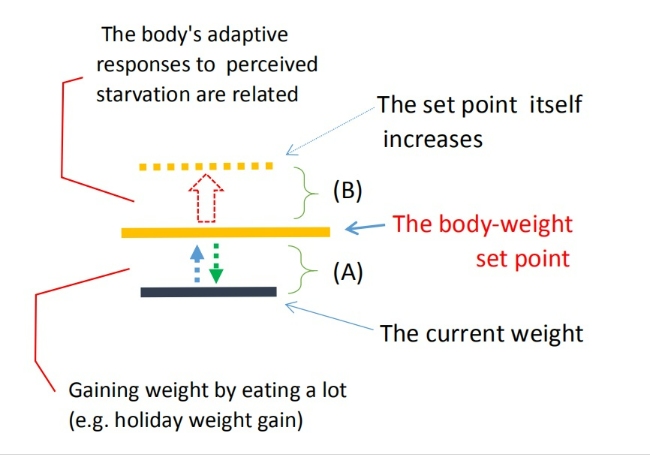
(1) As for part (B), the frequency of eating has a lot to do with it.
Since one's set-point weight itself goes up through intestinal starvation, eating more frequently and in a more spread-out manner, is less likely to result in weight gain. When you feel a little hungry, other foods enter your stomach again, which means that undigested foods are more likely to remain in your gastrointestinal tract.
If a person who is naturally slim or has a medium build maintains such a lifestyle, it is more likely that weight gain will be limited, and this will be consistent with observational studies showing a favorable relationship between increased meal frequency, body weight, and metabolic health.
Conversely, eating less frequently (e.g. two meals a day) and longer intervals between meals can lead to weight gain, depending on the foods you combine.
In my theory, meal frequency is synonymous with "meal intervals" and is one of the necessary conditions for intestinal starvation to be induced. As mentioned in the articles "Breakfast" and "Late Night Eating," two meals a day, with meals skewed toward easily digestible carbohydrates and proteins, and a lack of vegetables and dairy products, etc., can lead to intestinal starvation and an increase in set-point for body weight over time.
This is consistent with an observational study from over fifty years ago, which reported that "lower meal frequency was associated with increased body weight.”
(2) As for part (A), I believe that meal frequency is not really relevant.
This is the part where many people believe that taking in more calories makes you fat, which means going back to their set-point weight. Therefore, it should be the total daily caloric intake or carbohydrate intake that matters, rather than how many meals you eat a day. People who normally keep their weight lower through dieting or who cut excess body fat through workouts can gain weight if their caloric intake is higher than necessary due to increased frequency of eating.
As cited in section 1-(2) above, I believe that the research finding in intervention trials that "prescribing for increased eating opportunities for obese individuals may inadvertently lead to over-consumption and weight gain" applies to this part (A).
3. Conclusion
(1) Based on my theory, I believe I can explain the relationship between meal frequency and body weight more concretely as in section [2] above.
The most important factor in the conditions that cause intestinal starvation is "What to eat," but the meal frequency (meal intervals) can have different effects on body weight, even with the exact same daily intake. While there is no denying the fact that meal frequency is "a secondary factor in the context of energy balance and broader health-promoting behavioural patterns," it is certainly an important factor.
(2)In my opinion, two meals a day tend to make people gain weight-meaning that a person’s set-point weight goes up-but four or five meals a day may also increase their set-point weight.
A friend of mine gained more than ten kilograms by eating four to five meals a day when he was studying for a college entrance exam after he failed the first try. From what I heard, he was very thin in high school, even though he belonged to a judo club, and ate a lot of calories.

When I asked him about his weight gain, he told me that light meals such as hot dogs, rice balls, and instant noodles made up more than half of those meals.
As cited in section 1-(5) above, if the definitions of "meal" and "snack" are vague, and even a light meal that is high in carbohydrates and low in vegetables is counted as "one meal," then there is no point in discussing meal frequency. Even in observational studies using questionnaires, etc., discordant findings can occur.
(3) Depending on the subject of the observational study, mixed results can occur in the relationship between meal frequency and body weight.
If a thin or a person with a medium build eats three well-balanced meals and snacks on doughnuts or cookies between meals, this will not be a reason for an increase in set-point for body weight.
In contrast, a larger or obese person may eat four or five times a day as a result of being too hungry. Assuming that as a person’s body increases in size, the stomach and intestines also increase in size and their digestion gets stronger, therefore, we can say that they will feel hungry faster even if they eat the same food as others.
(4) I have no doubt that increasing the frequency of meals has great potential to help with weight loss.
Of course, one should not eat a diet that leans toward carbohydrates and some meats, such as fast food, ramen noodles, snack breads, etc.
However, I believe, as seen in low-carb diets, it is possible to lose weight by basing the diet with fewer carbohydrates and more from the other food groups such as vegetables, protein, dairy, oils, and nuts. (Even when eating carbohydrates, unrefined rice or whole wheat bread, or al dente pasta,etc. which takes longer to digest, are preferable.)
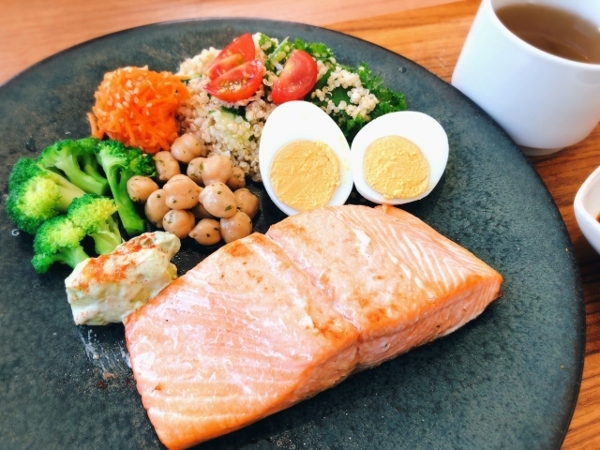
The key, in my opinion, is to leave more undigested food in your intestinal tract, and to reduce the period of time feeling hunger. I believe that this will not only increase energy expenditure (diet-induced thermogenesis), but also decrease absorption ability.
[Related article]
There Are Two Steps to Lose Weight the Right Way
<References>
[1][2]Hutchison AT, Heilbronn LK. Metabolic impacts of altering meal frequency and timing - Does when we eat matter? Biochimie. 2016 May;124:187-197. doi: 10.1016/j.biochi.2015.07.025. Epub 2015 Jul 29. PMID: 26226640.
[3]Aljuraiban GS, et al. The impact of eating frequency and time of intake on nutrient quality and Body Mass Index: the INTERMAP Study, a Population-Based Study. J Acad Nutr Diet. 2015 Apr;115(4):528-36.e1. doi: 10.1016/j.jand.2014.11.017. Epub 2015 Jan 22. PMID: 25620753; PMCID: PMC4380646.
[4]Kahleova H et al., Meal Frequency and Timing Are Associated with Changes in Body Mass Index in Adventist Health Study 2. J Nutr. 2017 Sep;147(9):1722-1728. doi: 10.3945/jn.116.244749. Epub 2017 Jul 12. PMID: 28701389; PMCID: PMC5572489.
[5][6]Flanagan A, et al., Chrono-nutrition: From molecular and neuronal mechanisms to human epidemiology and timed feeding patterns. J Neurochem. 2021 Apr;157(1):53-72. doi: 10.1111/jnc.15246. Epub 2020 Dec 10. PMID: 33222161.
2023.10.15
Does Eating Late at Night Really Make You Fat?
-
Contents
-
- Recent findings on the association between late night eating and weight gain
- Are late night meals really fattening? (My thoughts)
- It is impossible to explain weight gain with BMAL1.
- Conclusion
In Japan, many people (especially women) tend to avoid eating dinner, or dessert or sweets late at night (after nine p.m.) because they do not want to gain weight.
But does that really make sense? Actually, some people say that they have started eating dinner late at night and gained more weight than before, but I believe that is a misconception.
1. Recent findings on the association between late night eating and weight gain
(1) A cross-sectional study examining 17-year changes in energy and macronutrient intake across eating occasions in the 1946 British birth cohort, reported a greater proportion of energy towards the latter half of the day, and as a population, there has been a shift in the timing of when we eat[1].
In a cohort study of 1,245 non-obese, non-diabetic middle-aged adults, participants who consumed 48% or more of their daily energy intake at dinner were twice as likely to be obese at a six-year follow-up, even after adjusting for variations in energy intake, physical activity, and BMI, etc. at baseline[2].

(2) An increased propensity for weight gain is observed in those with eating occasions extending into the night hours, when the body is usually primed for rest, such as night shift workers and shift workers[3].
A meta-analysis published in 2018 reviewed 28 studies and found that shift workers had a higher frequency of developing abdominal obesity than other obesity types.
Permanent night workers demonstrated a 29% higher risk of obesity/being overweight than rotating shift workers[4].
(3) Previous observational studies in humans have linked late eating with higher obesity risk and lower success rates of dietary and surgical weight loss that could not be explained by differences in reported caloric intake or physical activity. It has been suggested that meal timing itself might influence body weight independent of changes in energy intake and activity-related energy expenditure[5].
(4) A systematic review published in 2017 investigated the relationship between evening energy intake and BMI. Of the 121 relevant articles, ten observational studies and eight clinical trials were included in the systematic review (a total of 102 texts did not meet the review eligibility criteria).
Four of the observational studies showed a positive association with BMI, five showed no association, and one indicated a weak, inverse relationship. The meta-analysis of observational studies showed only a slight trend between greater BMI and greater evening energy intake.
The majority of clinical trials reported that a smaller evening meal produced greater weight loss; however, the meta-analysis showed no significant difference between groups.
(Of note, there is considerable inconsistency in the definition of meal timing, quantification of energy intake, and methods of dietary assessment, suggesting that the heterogeneity of the included studies may have affected the reliability of the study results.)[6]
(5) In a randomized controlled crossover trial published in 2022, sixteen overweight or obese subjects completed two laboratory protocols: one with a strictly controlled early meal schedule, and the other with the exact same meals, each scheduled about four hours later in the day.
The results showed that late eating increased hunger, decreased energy expenditure, and affected molecular pathways in adipose tissue.
This study aimed to investigate the direct effect of meal timing, so other effects were isolated by controlling for confounding variables such as caloric intake, physical activity, sleep, and light exposure. But in real life, many of these factors may themselves be influenced by meal timing[7].
2. Are late night meals really fattening? (My thoughts)
If protein and fat synthesis is stimulated more when sleeping, by hormones and other factors, it is not surprising that, in a sense, everyone is somewhat more likely to gain weight at night than in the morning or afternoon. That further complicates the issue. However, I don’t think It is always correct to associate night time eating with an increased risk of obesity.
As I mention in the following article, I believe that "meal timing" is not the only important factor in the increased risk of obesity, "what you eat" has to be included. Eating late at night and skipping breakfast are two sides of the same coin, and that such eating habits, when combined with an unbalanced diet, can easily lead to intestinal starvation, making people more likely to gain weight over time. I would like to explain the following four patterns.
[Related article] "When to Eat" Is Important, but It Should Be Paired With "What to Eat"
(1) When each meal is four hours late
As shown in section 1, a short-term intervention trial in 2022 showed that meals scheduled four hours later compared to early meal schedule affects appetite, energy expenditure, and molecular pathways in adipose tissue, but it remains unclear whether it makes people obese in the long run.
I used to work as a cook at a Japanese restaurant, and this is how I timed my meals. I ate a light breakfast around nine a.m., and lunch was served around three p.m. Dinner was after eleven p.m., when the restaurant was closed, but I have seen a few acquaintances who have put on weight because of this.
The typical cooks or employees working in restaurants also generally delay their meals by three to four hours, but if they eat a balanced meal at breakfast and lunch, and the meal intervals are consistent, it is unlikely-at least in Japan-that this will significantly increase their risk of obesity.
Of course, some people do gain weight over time or suddenly, but I believe that it is "what they eat" that matters. If they continue their eating habits, such as eating unbalanced meals leaning toward easily digestible carbohydrates and skipping breakfast, they will be more likely to gain weight over the long haul.
If researchers wanted to investigate whether slim people actually gain weight by continuing this pattern of eating, they could find out by asking restaurant staff to cooperate and having them eat the same meal menu three times a day (breakfast, lunch, and dinner).
(2) Longer intervals between lunch and dinner
I believe that the typical pattern when late eating causes weight gain is that lunch is consumed around noon, and dinner is delayed until around eight or nine p.m.
A friend of mine works in sales for his company. He travels by a car, and he says he usually eats his dinner around eight or nine p.m. He used to be slender, but after he got married, he had less pocket money at his disposal, and sometimes he had to eat simple meals such as ramen/udon noodles or a Japanese beef/chicken rice bowl, etc. for lunch.
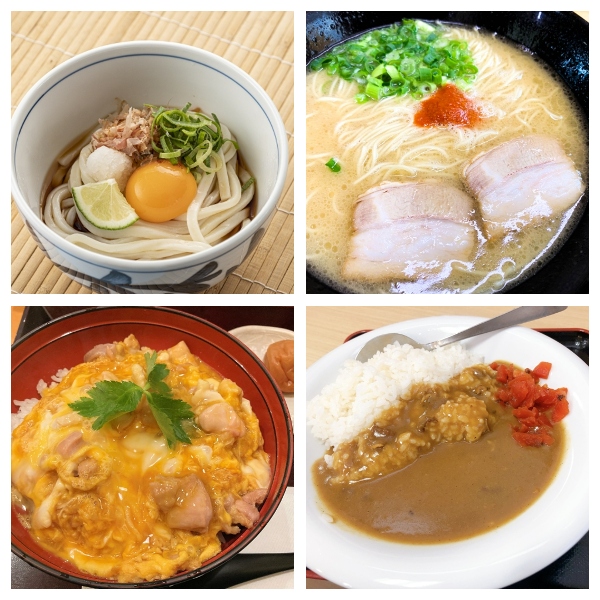
He had gained more than ten kilos during the previous two years, but I believe this is more of a problem of having simple lunches skewed toward carbohydrates and putting up with hunger for longer periods of time, rather than having a late dinner.
This is the same as the inverted triangle-type diet described in the breakfast article, in which breakfast and lunch are light, and dinner makes up for the missing nutrients and calories.
In that case, intestinal starvation is more likely to be induced before a late dinner, and the set-point weight may unknowingly go up.
(3)Snacking before bed and skipping breakfast
Also, some people may snack or eat a light meal after dinner but before bed , but perhaps those people are prone to skipping breakfast.
As shown in the quote in section [1], there are observational studies showing that "eating at night increases the risk of weight gain over time," but in my opinion, late eating can also be related to skipping breakfast (having two meals a day) or eating light meals during the day.
If people skip breakfast, and night time meals and lunches are unbalanced leaning toward easily digestible carbohydrates and some protein, with a lack of vegetables, they are more likely to induce intestinal starvation little by little over time.
Conversely, if you consume a well-balanced meal including fibrous vegetables, dairy products, protein, and fat, etc., at an earlier time of the day, you can prevent intestinal starvation because undigested foods will remain in the intestines for a longer period of time.
(4) Night time snacking may not cause weight gain
If people eat regular, well-balanced meals three times a day, every day, then for many of them, I believe eating before bed does not cause much weight gain.
As I mention throughout this blog, if a person who normally moderates their caloric intake eats sweets or ramen noodles late at night, they may gain a few kilograms, but it means their present weight goes back to their set-point weight.
Actually, there are many thin people in Japan, but even if they eat sweets or a light meal before bedtime in addition to their three meals in order to gain weight, it is more likely that they will not gain weight. In fact, I suppose that some of them may even lose weight if they do not have a strong digestive ability (at least for me, this is one hundred percent true).

The reason being that, by nature, it is good to rest your body and your stomach while you sleep, but if you eat before going to bed, your gastrointestinal tract has to continue to work throughout the night (diet-induced thermogenesis).
I suspect that this may be burdensome and result in a decrease in both cellular regeneration and synthesis of protein and lipids.
3. It is impossible to explain weight gain with BMAL1
In Japan, some experts explain as if the secretion volume of BMAL1 (Brain and Muscle Arnt-like protein-1 ) and weight gain are correlated. BMAL1 is a protein involved in the biological clock, and is said to be related to adipogenesis.
Its secretion begins to increase around six p.m. and peaks between ten p.m. and two a.m., which seems to be thought of as a rationale behind the fact that people are several times more likely to gain weight if they eat late at night (e.g. ten p.m.) than eating at six p.m. for the same number of calories.
However, I think that explanation is a bit of a stretch. The reason is that the "digestion time" is missing. For example, if they eat a meal at ten p.m., it will take four to six hours for it to be digested and absorbed, depending on the person and how foods are combined, etc. Fats/oils are particularly indigestible, so they may find that even in the morning after seven to eight hours, their food is still undigested and their stomach is upset.
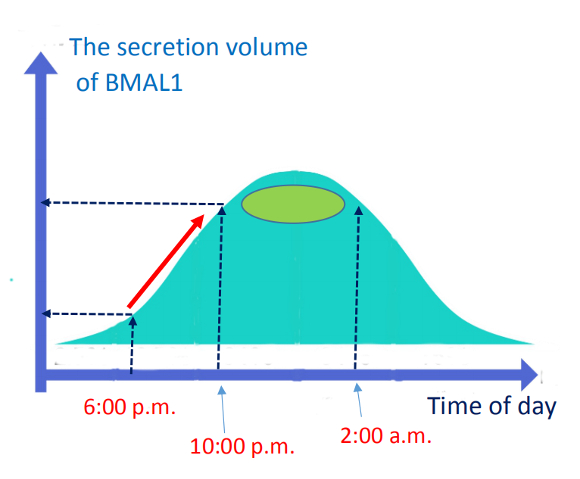
In other words, the time for digestion and absorption is not taken into account, so there is no way to correlate the meal time with the BMAL1 value.
The reason why BMAL1 peaks between ten p.m. and two a.m. is that if we humans have been eating dinner around six p.m. since ancient times, I suspect that BMAL1 levels are also higher so that lipids can be successfully synthesized just as the food is digested and absorbed, and nutrition is transported to all cells in the body.
4. Conclusion
Hormones and other secretions are closely related to circadian rhythms, which differ significantly from day to night. The fact that many other factors come into play further complicates the issue of late night eating and the increased risk of obesity.
However, I believe that the root cause of obesity is due to a higher set-point weight, and here is how "late night eating" can increase one’s set-point for body weight (see Figure-1, B).
(Figure-1)
(1) The phrase "gaining weight" has two meanings. A person who normally moderates their caloric intake in order to lose weight may gain a few kilos overnight if they eat more calories than necessary.
However, this is the case going back to their set-point weight (see Figure-1, A) and should not be confused.
In this case, it should not matter whether the dinner is consumed at seven p.m. or ten p.m.
(2) For a thin or medium-sized person who eats three times a day regularly in a well-balanced manner, I don’t think that additional snacks or light meals before bed are the reason for weight gain and an increased risk of obesity.
Even in the eating patterns where each meal (breakfast, lunch, and dinner) is eaten four hours later than usual as seen in restaurant workers, if they eat a well-balanced diet every day, it is unlikely that this will significantly increase their risk of obesity.
In other words, while an increased feeling of hunger due to eating later than normal may accelerate the onset of intestinal starvation, intestinal starvation is unlikely to occur when there is still plenty of undigested food in the gut.
(3)As in the 2017 review cited in section 1-(4) above, the "relationship between evening energy intake and weight gain (BMI)" could well produce different results depending on the population being studied. This is because late night eating may not lead to weight gain in those who eat a balanced breakfast and lunch (e.g. morning chronotypes).
(4)On the contrary, people who eat late at night may have a habit of skipping breakfast or eating light meals during the day.
If a person eats a well-balanced meal from diverse food groups at breakfast-the first meal of the day when the gastrointestinal tract starts working-, undigested food tends to remain in the intestines for a longer period of time, but they do not eat breakfast, so lunch is their first meal.
If lunch is unbalanced leaning toward easily digestible carbohydrates and some protein, and that dinner is around at eight or nine p.m., people feel hungrier and intestinal starvation is more likely to be induced. These eating patterns are prone to increasing one’s set-point weight in the long run and making people gain weight.
In other words, just because you eat late at night, it does not necessarily lead to obesity. The main problem, in my opinion, is rather unbalanced meals and “prolonged feelings of hunger” over a twenty-four hour period.
(5)If you have to eat dinner late at night, you can snack on milk, sandwiches, nuts, etc. around five p.m. and spread out the meal in order to prevent intestinal starvation. Even if you do not have enough time for breakfast, I think it is important to at least drink milk or café au lait.
(6) In the real world, it is even more difficult to eat a well-balanced meal when trying to eat late at night. In Japan, around eleven p.m., people may end up eating curry, a beef bowl, or ramen noodles from chain restaurants, or a lunch box from a convenience store.
It may be especially difficult for night shift workers to secure well-balanced meals, and I think it may be necessary to conduct observational research focusing on balance from a variety of foods including vegetable intake rather than caloric content.
<References>
[1]Almoosawi S et al. Daily profiles of energy and nutrient intakes: are eating profiles changing over time?. Eur J Clin Nutr 66, 678–686 (2012). https://doi.org/10.1038/ejcn.2011.210
[2]Bo S et al. Consuming more of daily caloric intake at dinner predisposes to obesity. A 6-year population-based prospective cohort study. PLoS One. 2014 Sep 24;9(9):e108467. doi: 10.1371/journal.pone.0108467. PMID: 25250617; PMCID: PMC4177396.
[3]Davis R et al. The Impact of Meal Timing on Risk of Weight Gain and Development of Obesity: a Review of the Current Evidence and Opportunities for Dietary Intervention. Curr Diab Rep. 2022 Apr;22(4):147-155. doi: 10.1007/s11892-022-01457-0. Epub 2022 Apr 11. PMID: 35403984; PMCID: PMC9010393.
[4]Sun M et al. Meta-analysis on shift work and risks of specific obesity types. Obes Rev. 2018 Jan;19(1):28-40. doi: 10.1111/obr.12621. Epub 2017 Oct 4. PMID: 28975706.
[5][7] Vujović N et al. Late isocaloric eating increases hunger, decreases energy expenditure, and modifies metabolic pathways in adults with overweight and obesity. Cell Metab. 2022 Oct 4;34(10):1486-1498.e7. doi: 10.1016/j.cmet.2022.09.007. PMID: 36198293; PMCID: PMC10184753.
[6]Fong M et al. Are large dinners associated with excess weight, and does eating a smaller dinner achieve greater weight loss? A systematic review and meta-analysis. British Journal of Nutrition. 2017;118(8):616-628. doi:10.1017/S0007114517002550
2023.09.09
The Reason Why a Well-Balanced Breakfast Helps to Prevent Weight Gain
-
Contents
-
- A background of the importance of breakfast in recent years
- How eating breakfast affects weight management? My thoughts
(1) A well-balanced breakfast can help prevent gaining weight
(2) Skipping breakfast makes it easier to gain weight
(3) Lightening your breakfast and lunch makes you more likely to gain weight - Conclusion
In the previous article, I introduced the concepts of a "biological clock," and “chrono-nutrition,” but if you have not read them yet, please read the following article first.
This time, I am going to state my own thoughts on how eating breakfast affects weight management concretely by my intestinal starvation theory.
[Related article]
"When to Eat" Is Important, but It Should Be Paired With "What to Eat"
1. A background of the importance of breakfast in recent years
(1) Observational evidence suggests that there is an association of breakfast eaters with lower body weight (lower BMI) compared to non-breakfast eaters.
However, there is little causal evidence to support this conjecture. Regular breakfast intake is associated with health-promoting behaviors, implying that breakfast intake may be a proxy for health-promoting behaviors. The association in observational studies may reflect a "healthy user bias."[1]

(2) Short-term studies highlight physiological mechanisms by which breakfast may affect body weight, such as appetite, energy expenditure (metabolism), and fat oxidation. However, whether the proposed physiological mechanisms translate to a long-term effect on energy intake and body weight remains unclear[2].
(3) Some hypotheses with regard to breakfast intake and lower body weight speculate that breakfast intake is important for regulating subsequent energy intake. Some studies have shown that skipping breakfast results in higher energy intake at lunch. On the other hand, others suggest that skipping breakfast may not compensate for a need for increased energy intake later in the day, resulting in a decrease in total daily caloric intake relative to when breakfast is consumed[3].
(4) Public health authorities commonly recommend breakfast intake to reduce obesity.
A randomized controlled trial (RCT) in the U.S. in 2014 tested the effectiveness of a recommendation to eat or skip breakfast on weight loss. Approximately 300 overweight or obese adults who trying to lose weight were randomly assigned to one of three groups (control, breakfast, or no breakfast), and the effect of treatment assignment on weight loss was tested in a free-living setting for 16 weeks.
However, this trial showed no effect of a recommendation to eat or skip breakfast on weight loss[4]. In this RCT, the total daily caloric intake, which foods to combine at breakfast, and the timing of meals, etc. were considered free and not specified.
(5) A review of the scientific literature up to 2006 on the "relationship between breakfast habits and body weight and chronic disease risk," analyzed through a MedLine search, pointed to the following issues: Many observational studies have found that breakfast frequency is inversely associated with obesity and chronic disease, but observational studies have some limitations. Only four relatively small, short-term randomized trials have examined breakfast intake and body weight or chronic disease risk, with mixed results.
Measurement of breakfast frequency for the most part is self-reported and subject to each individual's idea of what constitutes breakfast. Therefore, it is possible that the luck of a universal definition for breakfast and measurement of the breakfast has led to conflicting results in some cross-sectional and prospective studies assessing the association between breakfast and obesity and chronic disease risk [5].
2. How eating breakfast affects weight management? My thoughts
I think the concept of “chrono-nutrition” is very important in this day and age, but there are many aspects that cannot be explained by metabolism or hormones alone.
Based on the conventional belief that obesity is caused by "overeating and/or lack of exercise," it does not make sense that people who eat breakfast are associated with lower body weight despite consuming more calories per day than those who skip breakfast. So many researchers have tried to explain the long-term effects of breakfast consumption on body weight by examining the changes in energy expenditure over time when breakfast is consumed or skipped. However, I believe this theory has its limitations.
I think it makes more sense to explain this with my intestinal starvation theory.
As I have mentioned, the phrase "gaining weight" has two meanings, and whether or not breakfast is consumed has a lot to do with the conditions under which intestinal starvation is induced, and it can affect body weight over times in the sense that it can alter one’s set-point weight.
(1) A well-balanced breakfast can help prevent gaining weight
Breakfast is the start of the day, and when you eat breakfast, your resting gastrointestinal tract becomes active.
If you eat a variety of food at that breakfast, such as dairy products, fibrous vegetables, seaweed, legumes, and protein, you can prevent intestinal starvation because undigested food will remain in your intestines for around ten hours or so (this is because our intestines are seven to eight meters long).
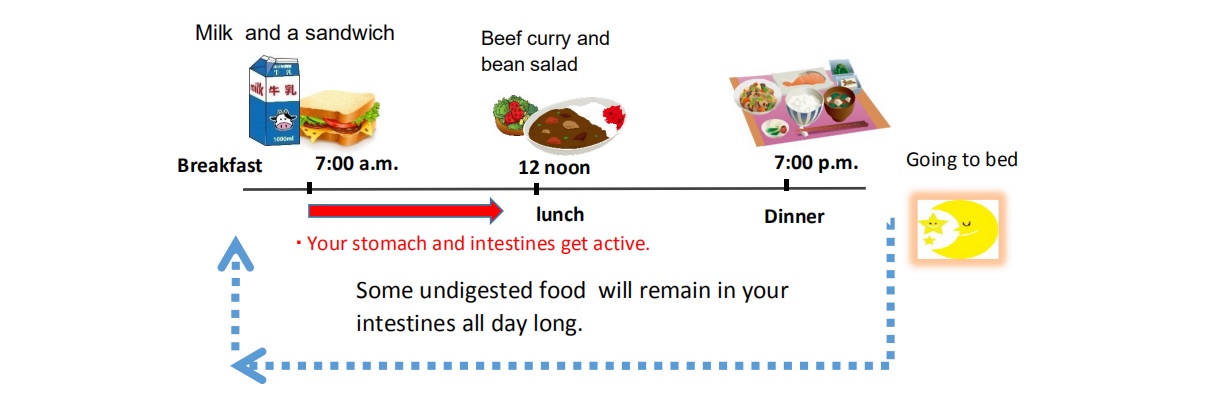
Also, if you eat well both at lunch and dinner, you are less likely to gain weight (meaning that your set-point weight does not go up), since there is some undigested food remaining over a twenty-four-hour period in your gastrointestinal tract.
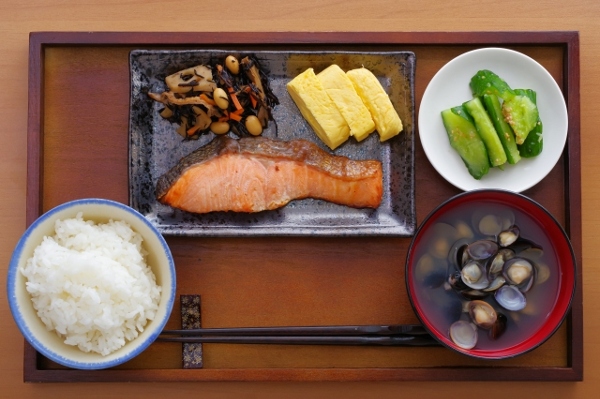
(Typical Japanese breakfast we used to have)
This is the reason why people who are originally slim or medium-sized and have this kind of lifestyle are unlikely to change their body shape throughout their lives, even if they eat without worrying about calories.
However, keep in mind that those who are already overweight will not necessarily lose weight just by eating breakfast (since their set-point weight is already high).
(2) Skipping breakfast makes it easier to gain weight
People who do not eat breakfast may be associated with a nocturnal lifestyle (late night dinner or eating light meals before bed). In short, the main reason for them skipping breakfast may be a lack of appetite or a lack of time to eat.
Not everyone will gain weight if they skip breakfast, but based on my theory, if some conditions are met and overlapped, it makes one more likely to gain weight in the sense that one’s set-point weight increases. If you eat only two meals a day, the interval between meals is longer, so simply what you eat for lunch and dinner has a big impact on the induction of intestinal starvation.
For instance, if you finish dinner at ten p.m., you will not eat for almost fourteen hours until the next day, at noon. Skipping breakfast makes you hungry, so in Japan, people tend to eat lunch with many carbohydrates (rice or noodles) and some meat. Some of them are satisfied with just being full, and their meal may lack fiber and other nutrients.
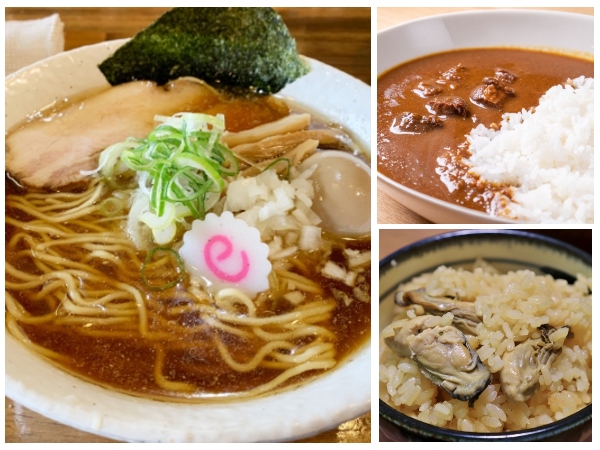
However, since they have not eaten breakfast, all they have in their gut is that meal at lunch.
If they repeatedly follow a pattern of not eating until eight or nine p.m. in that state, they are likely to induce intestinal starvation little by little, and their set-point weight may go up over time.
Some experts also point out that skipping breakfast and eating a carbohydrate-dense meal when hungry can cause blood glucose levels to spike, leading to high insulin secretion.
This may be true, but in any case, the combination of a "prolonged feeling of hunger" and an unbalanced diet high in carbohydrates and with a lack of vegetables, is likely to increase the risk of obesity and dysglycemia.
You can prevent intestinal starvation by doing the following: if you don't have time to eat in the morning, at least drink some milk, and eat a balanced lunch and dinner with a smaller amount of carbohydrates. And if you have to eat dinner late, eat something such as chocolate or nuts, even around five p.m.
(3) Lightening your breakfast and lunch makes you more likely to gain weight
On the other hand, breakfast can be fattening (in the sense that it increases one's set-point weight) even if one eats it. It is a so-called inverted triangle-type diet, in which breakfast and lunch are light (one might even skip lunch) and dinner makes up for the missing nutrients and calories.
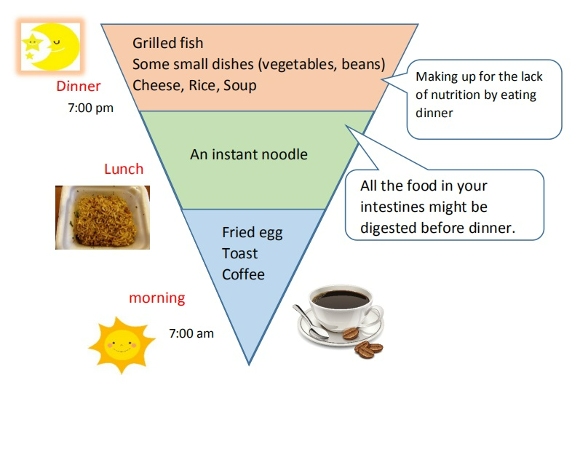
For example, if you just have a light breakfast (a piece of bread, coffee, mashed potatoes, and ham) in the morning, and a rice ball, hamburger, or instant noodles, etc. for lunch, it is easy to induce a intestinal starvation state before dinner, contrary to the situation described in (1) above.
When the gastrointestinal tract becomes active after breakfast, you usually go to the bathroom, and when you do, the only food left in your stomach is what was eaten at breakfast (in this case, mainly carbohydrates and easily digestible protein).
If lunch is also a simple carbohydrate-based meal and lacks fiber and other nutrients, all the food in the intestines will be digested by dinner, which makes it easier to develop a state of intestinal starvation.
In short, if breakfast is well-balanced with choices from the various food groups, you are less likely to gain weight, but if it is a simple and unbalanced one, there is a good chance you will gain weight over the long haul.
Therefore, it is not only a recommendation to eat breakfast, but also to eat a well-balanced one that includes fibrous vegetables, protein, and dairy products, etc.
3. Conclusion
I think what has confused researchers over the years is “whether or not breakfast itself is directly associated with reduced risk of obesity and chronic disease? In other words, is there a causal link there?," and my thoughts, based on the intestinal starvation theory, are as follows:
(1)First, I think it is quite possible that people who usually eat breakfast have other healthy lifestyle habits.

For example, they may eat three times a day regularly, with a well-balanced diet that includes vegetables, dairy products, and protein, etc. throughout the day. They may also exercise religiously, get good quality sleep, and live in accordance with their circadian rhythms.
On the other hand, those who tend to skip breakfast may have a nocturnal lifestyle and poor habits in terms of drinking, smoking, sleeping, and dietary balance.
In short, there might be some confounding factors associated with breakfast.
(2)However, as explained in section [2] above, eating a well-balanced breakfast early in the morning, will prevent intestinal starvation being induced by allowing undigested food in the gastrointestinal tract to remain around ten hours or so. Other health benefits of having undigested food such as fiber and fat in the gut, would include reducing blood sugar spikes and regulating appetite.
On the other hand, an unbalanced breakfast skewed towards easily digestible carbohydrates, proteins, and processed foods, etc. can lead to weight gain, so I do not believe that "breakfast" itself has the effect of deterring weight gain. I’m certain that it is "which foods to combine" at breakfast that matter.
I personally think that if you don't want to eat breakfast, that's fine, but isn't it important to eat lunch and dinner in a balanced manner with a moderate amount of carbohydrates to maintain good health and reduce the risk of obesity?
(3)In my theory, the problem of obesity implies a higher set-point weight, and I believe just eating breakfast does not necessarily lower the set-point weight of a person who is already overweight.
In other words, even if a randomized intervention to "eat or skip breakfast" was conducted in obese or overweight people as in a 2014 U.S. randomized controlled trial (RCT) shown in section [1] above, it may be difficult to demonstrate the benefits of breakfast.
But, this does not mean that breakfast itself is meaningless.
References:
[1]Flanagan A, et al. Chrono-nutrition: From molecular and neuronal mechanisms to human epidemiology and timed feeding patterns. J Neurochem. 2021 Apr;157(1):53-72. doi: 10.1111/jnc.15246. Epub 2020 Dec 10. PMID: 33222161.
[2][3][4]Dhurandhar EJ et al. The effectiveness of breakfast recommendations on weight loss: a randomized controlled trial. Am J Clin Nutr. 2014 Aug;100(2):507-13. doi: 10.3945/ajcn.114.089573. Epub 2014 Jun 4. PMID: 24898236; PMCID: PMC4095657.
[5]Timlin MT, Pereira MA. Breakfast frequency and quality in the etiology of adult obesity and chronic diseases. Nutr Rev. 2007 Jun;65(6 Pt 1):268-81. doi: 10.1301/nr.2007.jun.268-281. PMID: 17605303.
2023.09.08
"When to Eat" Is Important, but It Should Be Paired With "What to Eat"
-
Contents
-
- What is chrono-nutrition?
- The importance of meal timing in the recent surge in obesity
- My thoughts
Chrono-nutrition has become increasingly important in recent years, and I have provided a brief background on this topic. At the end of this article, I would like to explain how my intestinal starvation theory relate to “when to eat.”
1. What is chrono-nutrition?
・Living organisms on the earth synchronize their activity to a 24-hour light and dark cycle generated by the rotation of the earth. This biological rhythm is called the circadian rhythm, which means “approximately one day.” Biological clocks are organisms’ natural timing devices, regulating the cycle of circadian rhythms. Recent studies have shown that clock genes such as BMAL1, CLOCK, PERs, and CRYs play central roles in the oscillation of the circadian rhythm[1].
・The circadian clock can be divided into two parts: the master clock, located in the suprachiasmatic nucleus (SCN) of the hypothalamus, which receives light cues, and the peripheral clocks that reside in organs and tissues throughout the body.

External stimuli (time cues) such as the light-dark cycle and the timing of food intake provide daily signals for entrainment (time-setting) of the master clock, and of metabolic rhythms in peripheral tissues, respectively[2].
Peripheral clocks are highly responsive to food intake in addition to the entrainment (synchronizing action) from the master clock.
・‘Chrono-nutrition’ is the study of the interaction between biological rhythms and nutrition, and the relationship between these factors and human health. Chrono-nutrition encompasses distribution of energy, frequency and regularity of meals, duration of the eating period, and the relative importance of these factors on metabolic health and risk of chronic disease. A growing body of evidence in human studies indicates that the timing of food intake throughout the day can have a significant impact on metabolic health and general well-being[3].
In Japan, it is generally believed that in addition to "what and how much" you eat, "when and how” you eat is considered important for maintaining metabolic health.
2. The importance of meal timing in the recent surge in obesity
(1)“What and when we eat” has changed dramatically in modern society.
Mistimed food intake in connection with the day/night cycle, such as skipping breakfast or eating later in the day, can disrupt circadian rhythms, which has been hypothesized to contribute to the development of obesity and associated cardiometabolic disorders[4].
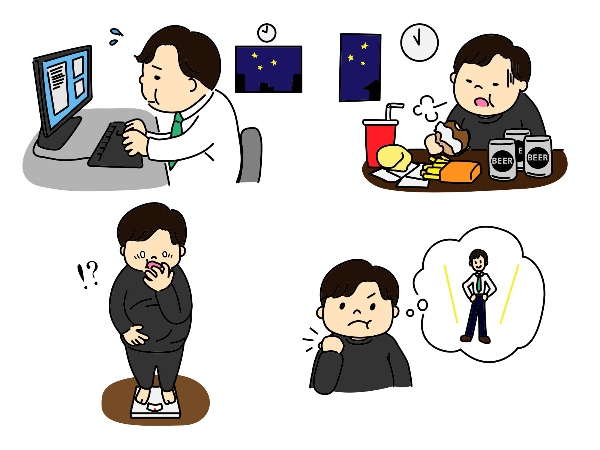
(2) There is a 3.5-year follow-up study showing that consuming a larger proportion of energy earlier in the day or at lunch, appeared to reduce the risk of weight gain[5].
On the other hand, previous observational studies in humans, have linked late eating with a higher risk of obesity and impaired dietary weight loss success that could not be explained by differences in reported caloric intake or physical activity [6].
(3) A short-term study (randomized controlled crossover trial) published in 2022 reported that late eating increases hunger, decreases metabolism, and alters molecular pathways involved in lipid metabolism[7], but it remains unproven whether it makes people obese in the long run.
(4) Previous observational studies suggest that meal timing itself might influence body weight, independent of changes in energy intake and activity-related energy expenditure[8].
The mechanism behind the observed increased risk of obesity and weight gain in shift workers and in populations frequently eating late at night is likely to be multifaceted, and it cannot be explained by disrupted energy intake alone[9].
3. My thoughts
While “total daily caloric intake” is still being emphasized, I think it is a step forward that people are beginning to understand the importance of "when to eat,” even if it is the same caloric intake. And it has been my own experience that incorrect meal timing disrupts my biological rhythms, and I have no doubt that the discovery of clock genes will continue to increase the importance of this field.
In fact, my intestinal starvation theory is related to "circadian rhythms" and "chrono-nutrition.” This is because the gastrointestinal tract gets active when food is consumed. I believe my theory also explains why a well-balanced breakfast and regular eating habits can prevent weight gain, and why irregular lifestyles lead to an increased risk of obesity.
As quoted in section 2 above, some observational studies suggest that "mistimed food intake such as eating later in the day is linked to a higher risk of obesity that cannot be explained by disruption of caloric intake alone." But as I have explained throughout this blog, I don’t believe that obesity itself is directly related to the amount of calories consumed or burned.
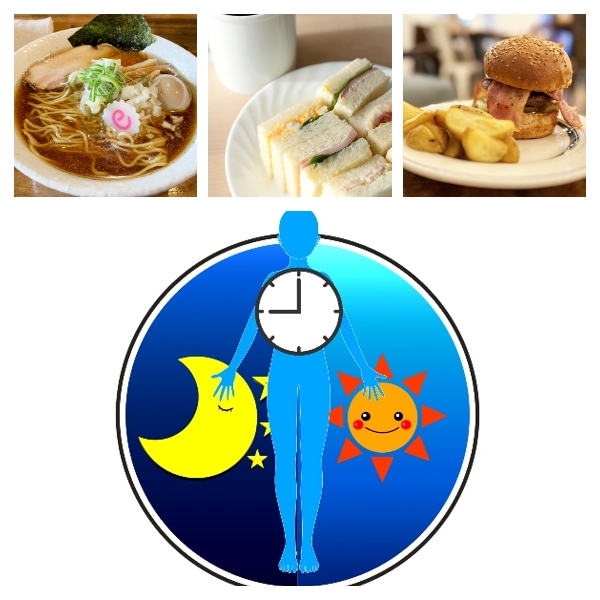
An unbalanced diet skewed toward easily digestible refined carbohydrates, protein, and processed foods is more likely to cause intestinal starvation when combined with irregular meal timing. This typical meal timing pattern is represented by skipping breakfast or eating late at night.
If obesity cannot be easily treated by returning to eating at regular times during the day, it means that one's set-point for body weight has increased.
[Related article]
In other words, "when to eat" is important, but "what and how to eat" is important as well, and I believe they must always be considered as a set. If we focus only on caloric intake, we may forget the importance of traditional eating styles and dietary balance. (Note: Some Japanese nutritionists often stress how important the traditional Japanese diet is in addition to "what, when, and how you eat” for maintaining good health, and I totally agree with them on that point.)
In the category of "chrono-nutrition," I'll break it down into four articles on (1) breakfast, (2) late dinners, (3) frequency of eating, and (4) irregular meals, and explain in more detail how they relate to my intestinal starvation theory.
[Related article]
The Reason Why a Well-Balanced Breakfast Helps to Prevent Weight Gain
References:
[1]”What is a circadian rhythm?”, MEDICAL & BIOLOGICAL LABORATORIES CO., LTD.
[2] [3]Flanagan A et al., Chrono-nutrition: From molecular and neuronal mechanisms to human epidemiology and timed feeding patterns. J Neurochem. 2021 Apr;157(1):53-72. doi: 10.1111/jnc.15246. Epub 2020 Dec 10. PMID: 33222161.
[4] [5][9]Davis R et al., The Impact of Meal Timing on Risk of Weight Gain and Development of Obesity: a Review of the Current Evidence and Opportunities for Dietary Intervention. Curr Diab Rep. 2022 Apr;22(4):147-155. doi: 10.1007/s11892-022-01457-0. Epub 2022 Apr 11. PMID: 35403984; PMCID: PMC9010393.
[6][7][8] Vujović N et al., Late isocaloric eating increases hunger, decreases energy expenditure, and modifies metabolic pathways in adults with overweight and obesity. Cell Metab. 2022 Oct 4;34(10):1486-1498.e7. doi: 10.1016/j.cmet.2022.09.007. PMID: 36198293; PMCID: PMC10184753.
2022.11.11
Why Are Sumo Wrestlers So Fat?; Six Reasons They’ve Adapted to the Gut Starvation Mechanism
-
Contents
-
<Introduction>
- The same mechanism as people who rebound after dieting
- The six reasons that I believe it is a starvation mechanism
<The bottom line>
<Introduction>
Have you ever seen a sumo wrestler right in front of you? When I was working as a waiter at a hotel several years ago, there was a pep rally for sumo wrestlers, and I was able to see them up close.
Also, at the 2017 Osaka tournament in Japan, I observed the morning practice of a team and was allowed to sample their breakfast called "chanko."

I had a sample of "chanko."
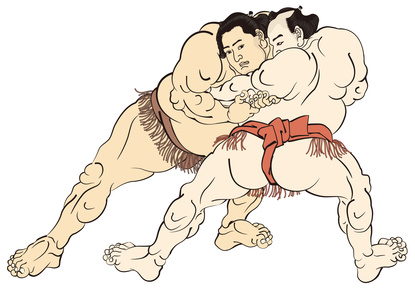
I got the impression that they are big-boned, with steel-like muscles, and a lot of body fat on top of that.
Their average body fat percentage is said to be around thirty percent or more, but there are some wrestlers in the twenty percent range, not that different from the average person. They are like a mass of muscles.
It is generally believed in Japan that wrestlers will gain weight because they eat a lot and sleep well including taking naps, but I can explain that they have successfully adopted the mechanism of intestinal starvation.
1. The same mechanism as people who rebound after dieting
In Japan, the image of sumo wrestlers in particular may lead to the image that "eating more makes you fat," but I would like to explain that this is the same mechanism as "those who end up rebounding after dieting and gain more weight than before" or "those who gradually gain weight by skipping breakfast or having a late dinner.”
First of all, I'm going to illustrate how both of them gain weight in the figure below.
■The concept of a person who gains more weight than before after dieting
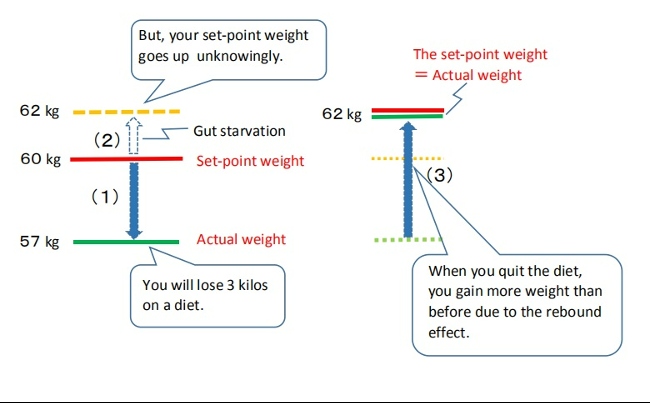
(1)→ (2)→ (3)
(1) You will lose a little weight through caloric restriction or exercising, etc.
(2) When you eat less (especially with an unbalanced diet), and you feel hungry for an extended period of time, you tend to starve your gut, and your set-point for body weight may go up without you realizing it.
(3) Later, when you start eating as you did before dieting, your weight will be higher than before.
■The concept of sumo wrestlers gaining weight
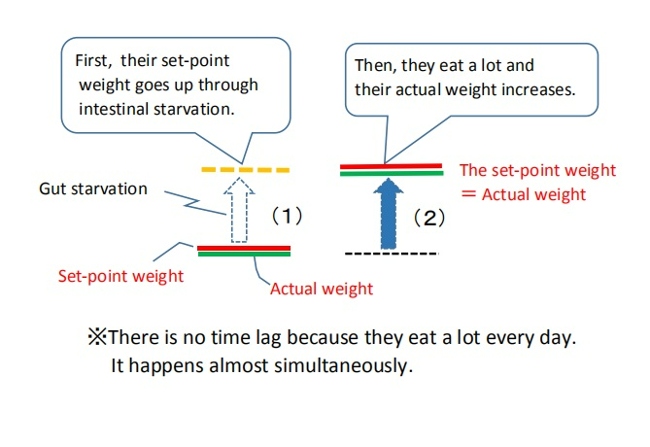
(1) → (2)
(1)First, by their traditional unique diet and hard practice, intestinal starvation can be induced. Their set-point weight goes up.
(2)Then, they eat a lot and thire actual weight increases (weight gain).
If you are a dieter, there is a time lag, but in the case of wrestlers, they eat good amounts of food every day, so it happens almost simultaneously.
Although they appear to eat a lot and are gaining weight, if intestinal starvation is not induced, their weight should not increase as much as expected.
2. The six reasons that I believe it is a starvation mechanism
When you see big eaters in a food eating competition, some may ask, "Why don't they get fat even though they eat so much?” But, from my theory, it is not at all surprising.
It’s not that they have a special "non-fattening constitution," but that anyone who eats like that from morning to night is less likely to gain weight (although I wonder why they can eat so much food at once).
Please understand that the way of eating of a sumo wrestler is a far cry from that of an eating competitor.
■An explanation of why the way of eating and exercising of sumo wrestlers can easily induce intestinal starvation. (1) - (6)
(1)A wrestler must weigh at least sixty-seven kilograms to be admitted. People who are overweight or muscular from the beginning tend to have stronger stomachs, and are thought to have a relatively high digestive rate. Such people are more likely to induce gut starvation than thin people.

(2) The basic diet for sumo wrestlers is called "chanko," which consists of easily digestible proteins such as chicken, fish, tofu, etc., and vegetables, slowly simmered in soy sauce. It is relatively low in fat and easy to digest.
(3) Sumo wrestlers generally eat a good amount of rice. By eating a lot of rice and soup, the stomach expands (the balloon effect), which leads to creating the dilution effect and push-out effect of food in the stomach.
[Related article]
(4)They traditionally eat two meals a day: the first meal is around eleven a.m. after morning practice, and dinner is around six p.m.
Since they practice from the early morning without breakfast, if dinner is finished at seven p.m., it means that they do not eat for about fifteen to sixteen hours until the next meal. It make sense to do intense morning training on an empty stomach to gain weight.
Of course, there are some wrestlers who try to eat snacks or supplements late at night in order to take in more calories, but my idea is that it makes easier to gain weight when they don't eat.
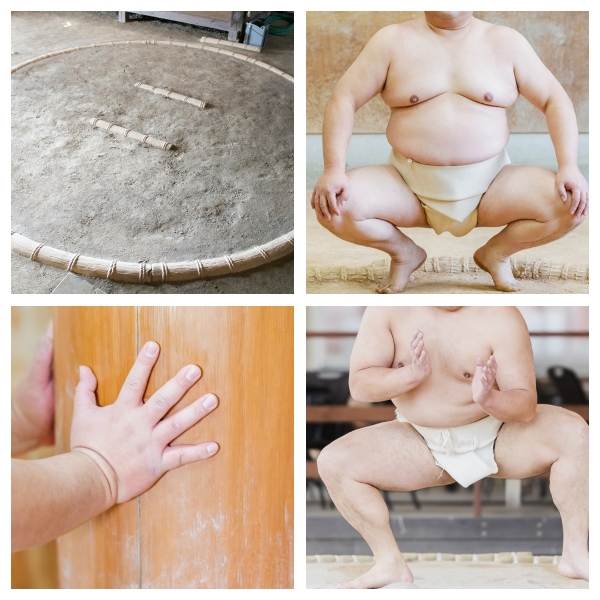
(5)Strength training is a force for gaining strength, and it ultimately works in the direction of weight gain. Eating two meals a day and exercising intensely will make sumo wrestlers gain more weight.
(6)Most of the food in the pot is eaten first by the top-ranked wrestlers. The lower-ranked wrestlers eat next, and lastly the new trainees.
The last people have to eat a big ball of rice and leftovers, which consists of only a little meat and most of the soup.
However, it is said that this kind of meal tends to make sumo wrestlers gain more weight.
The bottom line
(1)Sumo wrestlers are famous for being big and fat, but they do not gain weight because their daily caloric intake exceeds their daily caloric expenditure.
Their traditional diet and exercise makes sense in terms of weight gain in that it facilitates the creation of intestinal starvation.
(2)Intestinal starvation is more likely to be induced when a person who has a big body from the start eats relatively easily digestible foods with lots of carbohydrates (rice) and two meals a day.
(3)The mechanism by which wrestlers gain weight is the same as that of "people who diet and gain more weight than before due to the rebound effect.”
In the case of sumo wrestlers, since they eat a lot every day, this happens almost simultaneously, and they appear to eat a lot and gain weight.
2022.10.21
People Who Usually Eat Less, and Who Occasionally Splurge, Gradually Gain Weight
-
Contents
-
- People who gained weight during the Covid self-quarantine period
- A wrong strategy is to skip a meal today because you ate too much yesterday
- Daily actions taken by people who are gradually gaining weight
<The bottom line>
1. People who gained weight during the Covid self-quarantine period
According to a survey, more than fifty percent of Japanese people put on some weight during the period of staying at home by government order to prevent the spread of the coronavirus.

I saw a woman on television. She is a dance instructor and gained more than ten kilograms during this period.
Also, a friend of mine who owns a Japanese restaurant and works as a chef, gained almost five kilograms. He usually skipped breakfast and did not eat much dinner after his restaurant closed (around 11:00 p.m.), but during this period of self-quarantine, he stayed at home watching television and eating three times a day.
I think two classic examples of "eating a lot or stopping exercising makes you fat" fit here.
Normally, these people were under the strain of their jobs, moving all day long, eating in moderation, and paying attention to caloric intake. If that tension is gone and they simply exercise less and eat more, they will naturally gain weight.
However, this is the same pattern as rebounding, which means their weight go back to their set-point weight ([A] in Figure).
2. A wrong strategy is to skip a meal today because you ate too much yesterday
Sometimes I hear people say, "I ate too much at the all-you-can-eat buffet yesterday and gained three kilograms in one night.” They may have simply gained body fat or the weight of the food in their gut may also be a factor.
But It is a big mistake to say, "Okay, let's skip today's lunch."

Food ingested yesterday has already passed through the gastrointestinal tract and may be excreted in the form of a stool, but if you eat less today and put up with hunger over many hours, intestinal starvation may be induced, and your set-point weight may increase slightly.
So, it does not make sense to offset the extra calories you ate yesterday by eating less today.
3. Daily actions taken by people who are gradually gaining weight
With the recent gourmet food boom, many delicious foods are introduced on television and social media, while many people are worried about gaining weight and are trying to eat less.

Many of them usually restrain themselves as much as possible on the foods they want to eat, cutting back on calorie-dense foods such as sweets or fried foods.
Then, they splurge once in a while and eat their favorite foods as a reward.
In the end, they regret the weight they have temporarily gained and say, "Let's start dieting again tomorrow," and engage in a calorie-restricted diet.
I have no doubt whatsoever these diets are rarely successful. Rather, they tend to gain weight little by little. Eating on and off, or eating unevenly, is the first step toward becoming overweight.
If you skip meals or eat light meals (e.g. hamburgers and coffee) to reduce calorie and carbohydrate intake, you will deal with hunger for a longer period of time.
Even if you lose a little weight temporarily, the lack of fats/oils, dairy products, and fibrous vegetables can lead to intestinal starvation and an increase in your set-point weight over the long haul.
Unknowingly, your set-point weight may go up, and one day, when you eat like you used to, you may find that you have reached your highest weight ever. And it will be harder to lose weight than before.
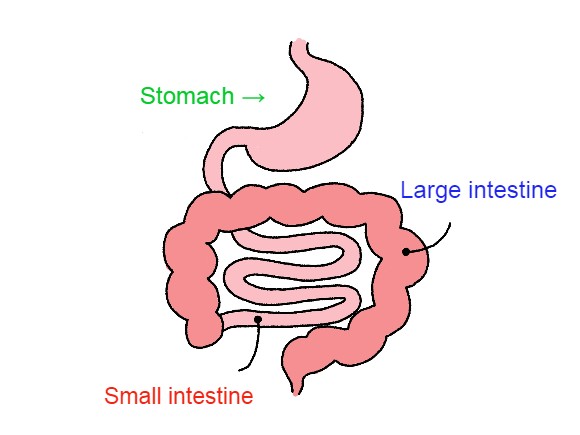
The gastrointestinal tract starts by eating breakfast, and the food we eat is delivered to the rectum in around twenty hours or more (it differs from person to person).
Therefore, it is a mistake to say, "I ate too much yesterday, so I will skip lunch today," or "I ate a lot of fibrous vegetables yesterday, so I don't need them today.”
It is also a mistake to say, "I will eat enough vegetables and nutritious foods at dinner, so I will go with a light breakfast and lunch," because a combination of easily digested food can result in intestinal starvation in as little as six to eight hours.
The first step in becoming leaner is to eat three well-balanced meals religiously every day.
Even if you want to reduce total caloric and carbohydrate intake, be sure to consume a variety of foods from a diverse group of foods.
The bottom line
(1) Some people claim to have gained a few kilos during the Covid self-quarantine period, but I believe most cases can be explained by a return to one’s set-point weight as well as a rebound effect after dieting.
(2) The idea of adjusting for yesterday's excess calories by eating fewer calories today is a mistake when it comes to maintaining a stable weight in the long run.
(3) People who usually eat less and hold back on the foods they want to eat for dieting, and occasionally splurge on treats, are more likely to gain weight over the long haul.
Irregular eating, where a person eats on and off, can cause intestinal starvation when dealing with hunger over many hours, unknowingly increasing their set-point weight.
(4) Since the gastrointestinal tract basically begins with breakfast and the food we eat reaches the rectum in around twenty hours or so (it differs from person to person), it is important to eat three well-balanced meals every day if you do not want to gain weight.
2019.11.21
Weight Loss Without Rebounding Requires Two Steps
Summary
(1)Just as weight gain does, weight loss likely involves two distinct physiological processes. Under conventional calorie restriction, the body tends to perceive an energy deficit and triggers adaptive responses aimed at maintaining the previous body weight level. As a result, weight loss is difficult to sustain, and body weight often returns to its original range.
To achieve long-term weight loss without rebounding, it is necessary to lower the body’s weight “set-point” itself.
(2)Lowering this set-point likely requires at least two physiological steps.
First, before reducing body weight, it is essential to establish a physiological environment in which the body does not perceive energy deprivation. Second, within that environment, undergo a process where body fat naturally decreases over time.
Step One:
The diet is structured around foods that are nutrient-dense and slow-digesting, such as vegetables, dairy products, nuts, and certain protein-rich foods.
When intestinal contents containing less digestible matter remain in the gut for extended periods, this may be perceived by the body as a signal that food is sufficiently available. As a result, even if overall energy balance becomes slightly negative, strong adaptive responses are less likely to be triggered.
Step Two :
Sustained satiety not only helps prevent overeating, but may also gradually reduce absorption efficiency. Over the long term, coordinated interactions between the brain—particularly the hypothalamus—and peripheral organs and tissues may allow body fat to decline in a stepwise manner.
(3)Although the two-step approach may result in a dietary pattern that resembles a low-carb diet, the underlying goal is fundamentally different.
Low-carb diets primarily aim to reduce insulin secretion by restricting carbohydrate intake. In contrast, the two-step approach focuses on creating a physiological environment opposite to intestinal starvation. To achieve this, it reduces carbohydrate intake while increasing the intake of nutrient-dense foods that take longer to digest, in sufficient amounts.
【Full text】
-
Contents
-
- Two distinct physiological processes underlying weight loss
- What is required to lower the set-point for body weight?
Step one
Step two - How the two-step approach differs from low-carb diets
Although this blog is not intended as a diet guide, examining the mechanisms of weight gain inevitably requires me to also organize, in theoretical terms, the opposite process—how people lose weight.
In this article, I will outline a theory of sustainable weight loss based on my own hypothesis. This discussion is theoretical rather than practice-based, and its purpose is to share a new way of thinking free from conventional constraints.
1. Two distinct physiological processes underlying weight loss
I propose that just as weight gain involves two physiologically distinct processes, weight loss can also occur through two physiologically distinct processes.
(1) Weight decreases, but rebounds
Conventional calorie restriction and low-fat diets are designed to reduce body weight by decreasing energy intake and increasing energy expenditure. This approach often involves constant hunger.
In this blog, I use the body weight set-point hypothesis[1,2] as a framework to explain weight homeostasis.
When energy intake is severely restricted and body weight decreases, the body perceives an energy deficit and triggers adaptive responses aimed at preserving stored energy[3,4].
These responses are best understood as adaptive processes that consist of interacting changes in metabolism, neuroendocrine function, autonomic regulation, and behavior[5].
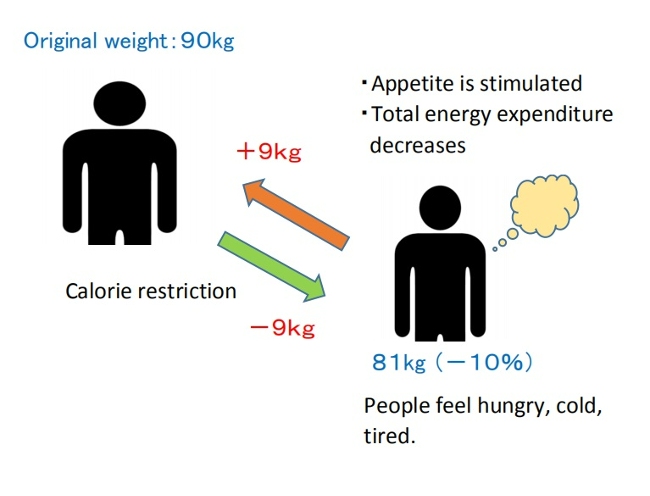
In addition, in my opinion, prolonged hunger leads the body to extract as much nutrition as possible from food, thereby increasing absorption efficiency.
In most cases, however, the body’s weight set-point itself does not change. As a result, weight loss is not sustained, and body weight is likely to return to its original range over time.
【Related article】
Biological Responses Driving Weight Rebound After Weight Loss
(2) Lowering the body weight “set-point” itself
I believe that the fundamental problem in obesity lies in an elevated body weight set-point.
Even though obese individuals have ample energy stores, they still exhibit metabolic resistance to caloric restriction, suggesting that obesity represents a physiologically stable state for some people[1]. Animal studies similarly describe obesity as a condition of energy homeostasis regulated around a higher set-point[1].
Therefore, achieving long-term weight loss requires not merely focusing on short-term energy balance, but lowering the body weight set-point itself. Relevant literature supporting this perspective is cited below.
"There appears to be a “set point” for body weight and fatness, and the problem in obesity is that the set point is too high.(*snip*)
There are two prominent findings from all the dietary studies done over the years.
First: all diets work. Second: all diets fail.
What do I mean?
Weight loss follows the same basic curve so familiar to dieters. Whether it is the Mediterranean, the Atkins or even the old fashioned low-fat, low-calorie, all diets in the short term seem to produce weight loss. Sure, they differ by amount lost–some a little more, some a little less. But they all seem to work.
However, by six to twelve months, weight loss plateaus, followed by a relentless regain, despite continued dietary compliance.(*snip*)
So all diets fail. The question is why.
Permanent weight loss is actually a two-step process. There is a short-term and a long-term (or time-dependent) problem. "
( Fung J. 2016. The obesity code. pages 62,215 )
2. What is required to lower the set-point for body weight?
In my understanding, the “two-step process” described by Doctor Fung is a conceptual framework that views obesity treatment (weight loss) as consisting of a short-term and a long-term challenge, organized primarily from a clinical and practical perspective.
On the other hand, this article focuses on the long-term problem—specifically, why the body resists weight loss and why body weight,once reduced, often returns over time[6]—and explores this issue more deeply from a physiological perspective.
Based on this analysis, I suggest that successful long-term weight loss requires at least the following two physiological steps:
(1) Before trying to lose weight, creating a physiological state in which the body does not perceive energy deprivation.
(2) Within that state, allowing body fat to decrease naturally over time.
My theory posits that weight gain accompanied by an upward shift in the body’s set-point weight is closely related to adaptive responses that arise when the body perceives a state of starvation. Therefore, I believe that reducing body weight in a sustained manner require creating the opposite physiological environment.
Many diets aim for losing weight from the very beginning. However, when the first step is skipped, the body tends to activate adaptive responses to restore homeostasis[6], which can increase the likelihood of long-term weight rebound.
Specifically, the process can be described as follows.
Step one
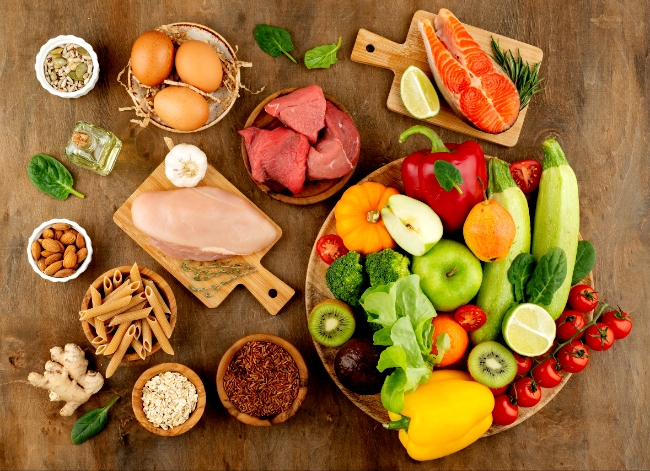
Rather than reducing overall food intake and enduring hunger, this approach centers the diet around nutrient-dense foods that either take longer to digest or are partially indigestible.
More specifically, this involves reducing the intake of refined carbohydrates and instead increasing consumption of foods such as whole grains, fiber-rich vegetables, nuts, dairy products, fat, and minimally processed protein foods.
Author: brgfx. Source: Freepik
As a result, intestinal contents that include less easily digestible matter remain in the gut for a longer period of time. This may not only reduce the sensation of hunger but also may be perceived by the body as a signal that food is sufficiently available. Consequently, even if overall energy balance becomes slightly negative, the body is less likely to perceive this state as energy deprivation.
Step two
As hunger diminishes, appetite tends to decrease, and absorption efficiency may also gradually decline. Eventually, I suggest that coordinated interactions between the brain—centered on the hypothalamus—and peripheral organs and tissues[7] may contribute to a gradual reduction in body fat.
Changes in absorption efficiency may not be intuitive at first glance, but consider this: consuming carbohydrates in a state of intense hunger tends to cause a rapid rise in blood glucose levels, whereas eating them several hours after a meal moderates the rise. Similarly, alcohol intoxication occurs faster on an empty stomach, but more gradually after eating.
Thus, by avoiding prolonged hunger and consuming foods that require longer digestion at appropriate intervals, absorption efficiency may gradually decrease in relative terms.
3. How the two-step approach differs from low-carb diets
The “two-step approach” proposed here may, in practice, result in a dietary pattern that resembles a low-carbohydrate diet. However, the two differ fundamentally in their starting points and underlying goals. In this section, I will clarify these differences.
▽Low-carb diets primarily aim to limit carbohydrate intake in order to suppress rapid spikes in blood glucose and reduce insulin secretion, which plays a key role in fat storage.
When energy derived from carbohydrates becomes insufficient, the body shifts to using fat as its main energy source, entering what is known as a state of ketosis. As a result, body fat tends to be utilized more readily, and body weight may decrease relatively quickly.
Another commonly cited feature of low-carb diets is that they do not require strict calorie counting, and often promote satiety through higher protein and fat intake.
▽In contrast, my own theory likewise considers diets heavily skewed toward refined carbohydrates and highly processed foods to be likely contributors to the modern obesity epidemic. However, this is not because carbohydrates themselves are inherently harmful in a direct sense.
What I emphasize instead are certain properties of carbohydrates: their rapid digestibility; the “dilution effect” that occurs when carbohydrates are consumed together with large amounts of water; and the “push-out effect,” whereby gastric contents are rapidly propelled into the intestine.

Author: brgfx. Source: Freepik
When these factors act together, all ingested food may be digested and expelled relatively quickly, potentially increasing the likelihood of intestinal starvation under specific conditions.
【Related article】
The Dilution Effect/ Pushing Out Effect of Carbohydrates
For this reason, the two-step approach aims to create a physiological environment opposite to intestinal starvation—namely, a state in which intestinal contents containing less digestible matter remain in the gut for an extended period. To achieve this, carbohydrate intake is reduced in order to weaken the dilution and push-out effects, while the relative intake of other foods—such as fiber-rich vegetables, dairy products, fats, and minimally processed protein sources—is increased.
In low-carb diets, by contrast, the central strategy is to reduce carbohydrate intake itself, while proteins and fats are consumed relatively freely as alternative energy sources. This distinction represents a fundamental difference between low-carb diets and the two-step approach described here.
References
[1]Richard E. Keesey, Matt D. Hirvonen, Body Weight Set-Points: Determination and Adjustment, The Journal of Nutrition, Volume 127, Issue 9, 1997, Pages 1875S-1883S, ISSN 0022-3166.
[2]Ganipisetti VM, Bollimunta P. Obesity and Set-Point Theory. 2023 Apr 25. In: StatPearls [Internet]. Treasure Island (FL): StatPearls Publishing; 2025 Jan–.
[3]Hall KD, Guo J. Obesity Energetics: Body Weight Regulation and the Effects of Diet Composition. Gastroenterology. 2017 May;152(7):1718-1727.e3.
[4]Egan AM, Collins AL. Dynamic changes in energy expenditure in response to underfeeding: a review. Proc Nutr Soc. 2022 May;81(2):199-212.
[5] Rosenbaum M, Leibel RL. Adaptive thermogenesis in humans. Int J Obes (Lond). 2010 Oct;34 Suppl 1(0 1):S47-55.
[6] Ochner CN et al. Biological mechanisms that promote weight regain following weight loss in obese humans. Physiol Behav. 2013 Aug 15;120:106-13.
[7] Wilson JL, Enriori PJ. A talk between fat tissue, gut, pancreas and brain to control body weight. Mol Cell Endocrinol. 2015 Dec 15;418 Pt 2:108-19.
2018.05.30
Why Do We Gain Weight even Though We Eat Small Portions of Food?
-
Contents
-
- A woman friend who eventually put on some weight
- A colleague who gained three kilograms in a year
- "Just reduce calories" is a mistake
It is said that the cause of weight gain is the caloric intake exceeding calories burned through metabolism and activity. For this reason, I see people dieting by only reducing the amount of food they eat, and putting up with being hungry over long hours.
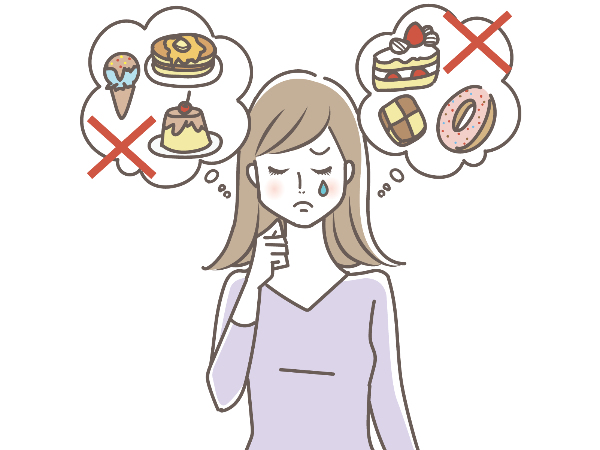
For example, they eat only a rice ball and a piece of fried chicken, or a hamburger and a drink for lunch. These people say they are hungry but continue experiencing hunger for long periods of time.
In my opinion, people like this not only do not diet well, but they also tend to gain weight eventually.
1. A woman friend who eventually put on some weight
When I was working part-time at a restaurant in college, there was a woman who wasn’t that overweight, but she started dieting anyway.
She wasn’t slim, but she wasn’t overweight, either. To me, she looked healthy and fit. I thought she was okay as she was. But it seemed that she started dieting because she wanted to get slim.

Therefore, she only ate half of her meal, such as rice and meat/fish dish and never any vegetables. She was always saying, “I’m starving...” but continued experiencing hunger and stopped eating snacks.
As a result, not only did she not lose weight, but she also gained a little weight.
2. A colleague who gained three kilograms in a year
The same goes for my colleague, T, who worked as a cook in the kitchen at a nursing home. When I first met him, he was a stocky guy (about 170cm tall and 70 kilos).
He wasn’t overweight but he was on a diet, saying he had gained three kilos which shattered his previous weight level in the last year.

In his case, he was working before six a.m., but he hardly ever ate breakfast.
For lunch, he only ate a small bowl of rice and meat or fish. He almost never ate vegetable dishes such as salad and simmered vegetables (traditional Japanese vegetable stew).
He gained two more kilos in the following year.
3. "Just reduce calories" is a mistake
What's wrong with this is, that the people previously mentioned thought that in order to lose weight, they only needed to reduce calories from carbohydrates, meat, and fat, etc. Furthermore, they thought they had to be hungry in order to lose weight.
As a result, I can posit that intestinal starvation was induced because they didn’t consume fiber from vegetables, fat, and dairy products, etc. very much, causing the set-point weight to increase.

There are two ways in which the intestinal starvation mechanism occurs.
(1) Eating regular or big portions of an unbalanced meal, but not eating as often (e.g. skipping breakfast and eating two meals a day) and experiencing hunger over many hours.
(2)Eating small portions as seen in dieters or pregnant women, sometimes skewed towards digestible carbohydrates and protein, etc. Even if they eat three times a day, they often experience hunger over many hours.
In conclusion, whether you eat a good amount of food or a small portion of food, if your diet consists of mostly digestible carbs and some protein, an imbalance of food in the intestines remains the same. If you don’t eat anything else and experience hunger over many hours, it leads to the similar effect in view of creating intestinal starvation.
Eating vegetable dishes, dairy products and fat/oil, etc. is important with regards to preventing intestinal starvation, but those people in the previous examples were only conscious of caloric intake, and chose not to eat them.
2017.09.28
What Does It Mean to Eat Relatively Less?
-
Contents
-
- An example of judo
- An example of delivery center
- An example of food
<The bottom line>
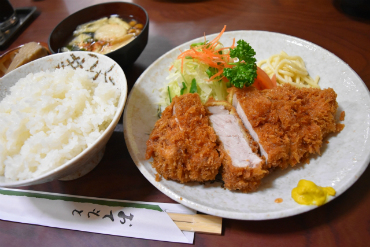
I always felt something was wrong, when I was having lunch with my coworker K, who is about eighty kilograms. He said to me, “You have to eat more in order to gain weight”, because I was very thin.
However, he was eating the same thing as I was. It’s just that he had a little more rice than I.
Why It felt odd was that "K was eating relatively less" and " I was eating relatively more " in terms of quality and quantity.
1. An example of "judo"
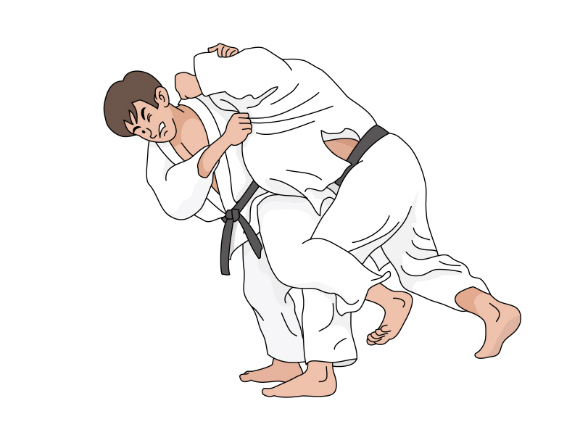
First, I’d like to explain by using the Japanese sport of judo. There are usually wrestlers of forty-five, sixty, and up to ninety kilograms mixed weight groups at a practice.
The forty-five kilogram wrestler often works with those who are heavier than him, so he will be practicing relatively hard. In particular, if he practices with a ninety kilogram wrestler, there is twice the difference of weight, so it’s difficult to win.
On the other hand, for the ninety kilogram wrestler, it’s a practice which is relatively easy, since there are only those who weigh less than him. Even if they do the same practice, the level of challenge is different for each wrestler.
2. An example of delivery center
Let’s see it again here by using a “delivery center” example. A delivery center is a place where they sort packages and send them out everyday. There are two delivery centers. Center A has a capacity of five hundred packages, and delivery center B has a capacity of eight hundred packages.
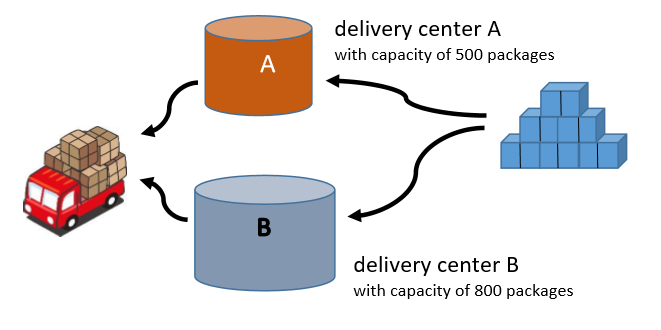
When there are five hundred packages being processed, A will be at its limit, but B still has some room.
When there are seven hundred packages being processed, A is over its capacity, so employees have to work overtime, but B still has some room.
That is to say, even if the quantity of packages is the same, the things happening inside differ by their capacity. If this were food, then the package would be equivalent to the “intake amount of food.”
3. An example of food
I guess you already know what I want to say. Here again, we have three ladies of different weights eating the same thing. A: 90kg, B: 60kg, C: 45kg.
Let’s say all three had the same hamburger set for lunch.
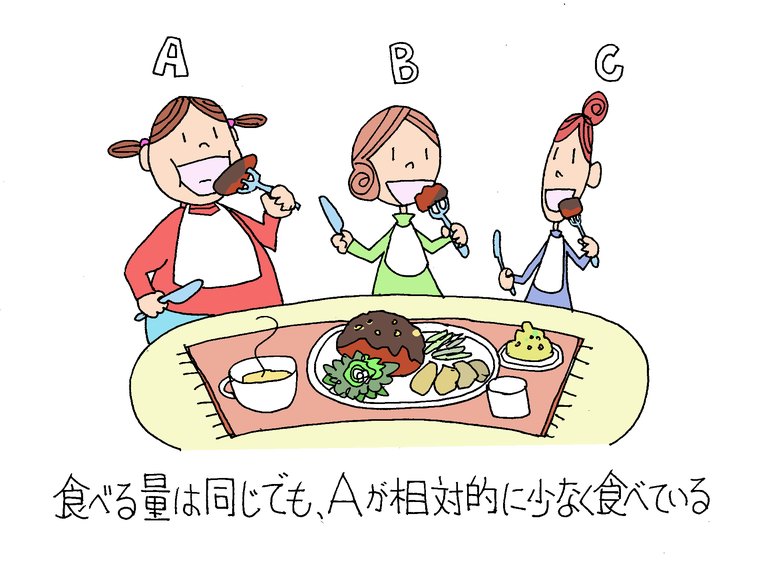
In terms of the food intake, all of them have the same amount and calories, but when we take their weight into account, C, who is forty-five kilograms is eating relatively more, and A, who is ninety kilograms is eating a relatively light meal.
It’s because A who is ninety kilograms has a body twice as large as C, with a thicker chest and a bigger stomach. You can also say that she might have a stronger digestive ability compared to B or C.
Here, when we focus on body size, you can say, “A is eating quantitatively less." When we focus on digestive ability, “A is eating qualitatively simpler than C.
“Qualitatively” means that those with a stronger digestive ability can digest the same amount of food faster, even if they are the same body size. For example, it's been said that Caucasians generally have stronger digestive enzymes for protein and fat, compared to many Asian people.

Now, suppose A orders a large bowl of rice. Regarding intake amount, you might think, “after all, she must be fat because she eats a lot.”
However, if we take their weight into account, since rice is a carbohydrate which is easy to digest, it can be said that A is still eating relatively less and eating a lighter meal compared to B or C.
The bottom line
(1) Based on my intestinal starvation theory, people who have a bigger body or stronger digestion eat relatively less or lighter meals compared to thin people. They are more likely to feel hungrier, and depending on what they eat, they are prone to inducing intestinal starvation and gain more weight.
(2) Also, assuming that European, American, or African people generally have a stronger digestion for fat and protein compared to many Asian people, they are more likely to gain weight than many Asians, even if everyone eats the same. It’s not that they have particular obesity gene.