
— Topics —
Genetics & Environmental Factors
2025.03.03
The Rise in Obesity is Closely Linked to the Consumption of Ultra-Processed Foods
Summary
1. In 2009, a research group at the University of São Paulo proposed the NOVA classification system, which categorizes foods according to the nature, extent, and purpose of processing. NOVA divides foods into four groups:
・Unprocessed or minimally processed foods
・Processed culinary ingredients
・Processed foods (PFs)
・Ultra-processed foods (UPFs)
2. UPFs are formulations made through multiple industrial processes. They tend to be high in refined carbohydrates, added sugars, salt, and fats, making them highly energy-dense. In contrast, they are often low in dietary fiber and micronutrients.
3. In countries such as the USA and the UK, UPFs account for more than 50% of total daily energy intake. Many studies have shown that a higher proportion of energy intake derived from UPFs is associated with a greater risk of obesity.
In contrast, the consumption of unprocessed foods, such as vegetables, has been inversely associated with obesity.
4. Individuals with higher UPF consumption tend to consume fewer fruits, vegetables, nuts, and fish, and generally have lower overall diet quality.
5. Compared with whole-food meals, processed-food meals may reduce diet-induced thermogenesis (DIT), resulting in greater net energy gain. In addition, UPF-based diets have been shown to increase ad libitum energy intake.
My perspective
6. The global rise in obesity may not be fully explained by an increase in caloric intake alone. I believe that greater attention should be paid to the effects of food processing itself on human physiology.
UPFs are typically low in dietary fiber and have simplified food structures. As a result, they tend to be digested and absorbed very efficiently. As overall diet quality declines, conditions may arise in which undigested matter is less likely to remain in the intestinal tract. I propose that this may contribute to a physiological state that I refer to as intestinal starvation.
【 Full text 】
-
Contents
-
- Food classification using the NOVA system
- Issues associated with ultra-processed foods
- Consumption of UPFs and its association with obesity
- Impact of UPFs on overall diet
(1)Decline in overall diet quality
(2) Increase in net energy gain
(3) Effects on ad libitum energy intake - How UPFs may contribute to intestinal starvation
The ongoing debates surrounding various dietary approaches—such as low-carbohydrate, ketogenic, paleo, low-fat, and vegan diets—have created considerable public confusion and contributed to growing mistrust in nutritional science.
However, it is less widely recognized that diverse diets recommendations often share a common piece of advice: to avoid ultra-processed foods[1].
In fact, in many countries, rising obesity rates have been reported to closely parallel increases in the consumption of ultra-processed foods[1]. In this article, I would like to examine some of the factors that may underlie this association. Finally, I will also discuss how these issues may relate to my intestinal starvation theory.
1. Food classification using the NOVA system
NOVA (not an acronym) is the food classification system that categorizes foods based not on their nutrient content, but on the nature, extent, and purpose of food processing. It was developed in 2009 by a research group at the University of São Paulo in Brazil [2].
Conventional food classification systems have traditionally categorized foods and ingredients according to their botanical origin or animal species, and according to their nutrient composition.
As a result, whole grains may be grouped together with breakfast cereals and cookies, and fresh chicken or pork may be classified alongside chicken nuggets or sausages.
However, conventional classification systems have had important limitations when evaluating the health effects of foods [3].

The NOVA classification system divides foods into the following four groups according to the nature, extent, and purpose of processing.
(1)Unprocessed or minimally processed foods
Natural foods such as fresh fruits and vegetables, grains, milk, fish, and meat, as well as foods that have undergone minimal processing such as the removal of inedible parts, drying, grinding, pasteurization, refrigeration, freezing, or vacuum packaging.
(2)Processed culinary ingredients
Substances derived from Group 1 foods or from nature through processes that include pressing, refining, milling, or drying, such as oils, butter, sugar, and salt. These processed culinary ingredients are typically not consumed on their own.
(3)Processed foods (PFs)
These are typically made by adding Group 2 substances to Group 1 foods. Examples include canned vegetables, fruit in syrup, canned fish, cheese, and freshly made breads.
(4)Ultra-processed foods (UPFs)
These are formulations made by combining many ingredients and undergoing multiple industrial processes. Examples include breakfast cereals, soft drinks and fruit juices, sweet or savory snack foods, chocolate confectionery, instant foods, reconstituted meat products such as sausages and nuggets, and many fast-food products [3,4].
2. Issues associated with ultra-processed foods
Food processing, in essence, refers to the operations by which raw food materials are made suitable for consumption, cooking, or storage, and virtually all foods undergo some form of processing before being eaten. In other words, processing itself is not inherently harmful.
However, ultra-processed foods may contain little or none of the natural foods classified in Group 1.
Furthermore, because they are formulations produced by combining food-derived substances and additives through multiple industrial processes, they possess characteristics that differ from those of partially modified foods [3].
These foods are typically high in refined grains, added sugars, salt, and fats, making them highly energy-dense. In contrast, they are generally poor sources of dietary fiber, protein, and micronutrients.
In addition, additives such as flavorings, colorings, emulsifiers, and sweeteners are often added to mask undesirable qualities of the final product [5].
Nevertheless, since the 1980s, the consumption of UPFs has increased rapidly not only in developed countries but also in developing nations, largely driven by multinational corporations [3].
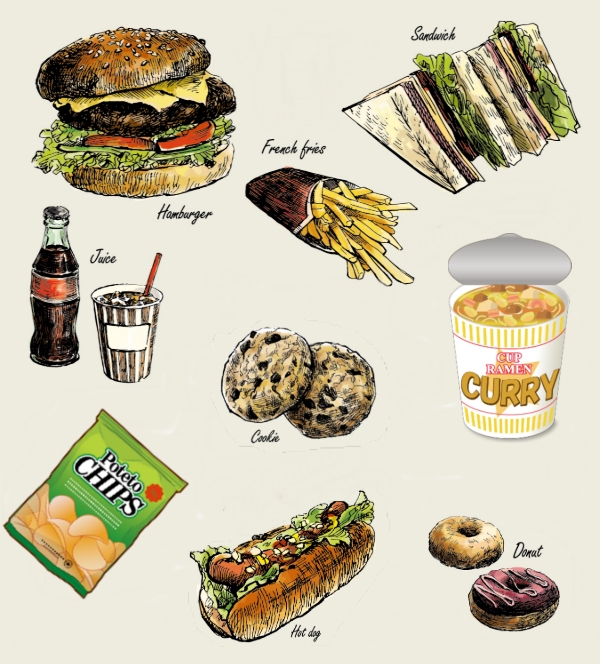
Because UPFs are highly palatable, inexpensive, convenient, and have a long shelf life, they have gained widespread popularity among consumers.
Research based on the NOVA classification system has shown that the decline in minimally processed foods and home cooking, together with the increasing replacement of traditional diets by UPFs, is associated with unhealthy nutritional profiles and a higher prevalence of several diet-related diseases [3].
3. Consumption of UPFs and its association with obesity
Studies in adults reporting the proportion of total energy intake derived from ultra-processed foods (UPFs) have shown that the proportion exceeds 50% in the USA and the UK, and reaches approximately 45–52% in Canada.
In contrast, the proportion is relatively lower in countries such as France, Spain, Brazil, and Malaysia, although it still accounts for roughly 20–36% of total energy intake [6].
♦A cross-sectional study (2005–2014) of American adults found that, on average, participants obtained 56.1% of their total energy intake from UPFs. In the highest quintile group (Note 1), UPFs accounted for 84.5% of total energy intake, whereas in the lowest quintile group, the proportion was 25.4% [7].
Note 1: Quintiles divide ranked data into five equal groups.
Increasing consumption of UPFs has been reported to be associated with rising obesity rates in many countries.
♦A cross-sectional study based on data from Brazil’s 2008–2009 Household Budget Survey found that household consumption of UPFs was positively associated with both average BMI and obesity prevalence. Individuals in the highest UPF consumption group were 37% more likely to be obese than those in the lowest consumption group [9].
♦A cross-sectional study using data from the UK National Diet and Nutrition Survey (2008–2016) found that the proportion of total energy intake derived from UPFs ranged from approximately 35% (1st quartile; Note 2) to 74% (4th quartile).
Higher UPF consumption was associated with greater BMI, waist circumference, and obesity prevalence. In addition, for every 10% increase in the proportion of total energy intake from UPFs, obesity risk increased by 18%.
Higher UPF consumption was also more common among men, smokers, younger individuals, and lower socioeconomic groups [10].
Note 2: Quartiles divide ranked data into four equal groups.
♦A prospective cohort study conducted among graduates of the University of Navarra in Spain followed 8,451 participants who were not overweight or obese at baseline for about nine years.
Participants in the highest UPF consumption group had a 26% higher risk of developing overweight or obesity than those in the lowest consumption group. In contrast to their UPF intake, this group had the lowest average vegetable consumption. Overall, higher UPF consumption was associated with lower adherence to the Mediterranean diet [11].
Similar associations have also been reported in studies conducted in 15 Latin American countries, as well as in studies from other countries, including the USA and Canada [4,7,8].
4. Impact of UPFs on overall diet
(1) Decline in overall diet quality
♦A U.S. research group used data from the National Health and Nutrition Examination Survey (2015–2018) to investigate the relationship between UPF consumption and overall diet quality.
The study included 5,919 children and 10,064 adults, and diet quality was assessed using the American Heart Association (AHA) Diet Score and the Healthy Eating Index (HEI)-2015 [12].
The results showed that overall diet quality declined substantially as UPF consumption increased. Among children, the estimated proportion with a poor diet was 31.3% in the lowest UPF consumption group, but rose to 71.6% in the highest consumption group. A similar pattern was observed among adults.
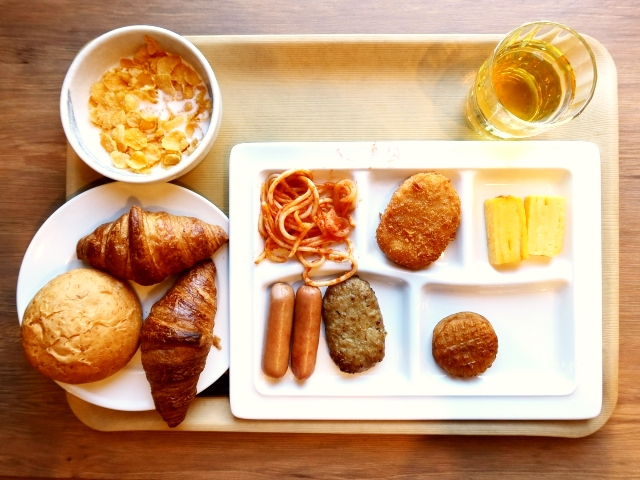
In addition, higher UPF consumption was associated with increased intake of refined grains, sugar-sweetened beverages, and added sugars, while the consumption of healthier foods such as fruits, vegetables, nuts, and fish decreased.
The researchers concluded that higher consumption of UPFs was associated with substantially lower diet quality among both children and adults.
They also noted that these findings were consistent with previous studies conducted in several countries [12].
♦An Italian research group investigated the relationship between meal timing and the degree of food processing.
An analysis of data from 8,688 participants in the Italian Nutrition & Health Survey (2010–2013) found that individuals who ate breakfast, lunch, and dinner at later times tended to consume fewer unprocessed or minimally processed foods and more processed foods and UPFs [13].
Furthermore, later meal timing was inversely associated with adherence to the Mediterranean diet [13]. The Mediterranean diet is a dietary pattern centered on fruits, vegetables, legumes, nuts, olive oil, and fish, and has been associated with a lower risk of weight gain [14].
(2) Increase in net energy gain
♦A U.S. research group conducted a crossover study to compare the effects of processed foods (PF) and whole foods (WF) on energy expenditure. Eighteen participants consumed two isocaloric sandwiches that differed only in their degree of processing.
The WF meal consisted of multigrain bread (containing whole grains and sunflower seeds) and cheddar cheese, whereas the PF meal consisted of white bread and a processed cheese product.
As a result, diet-induced thermogenesis (DIT) (Note 3) following the PF meal was 46.8% lower than that observed after the WF meal. The researchers concluded that this difference in DIT resulted in a 9.7% increase in net energy gain for the PF meal [15].
Note 3: Diet-induced thermogenesis (DIT) refers to the increase in energy expenditure that occurs for several hours following food intake.
The researchers suggested that PFs are structurally and chemically simpler, and therefore easier to digest, than WFs [15,16].
For example, during grain refining, the bran and germ are removed, resulting in the loss of micronutrients, dietary fiber, and phenolic compounds.
As a result, less energy may be required for gastrointestinal activity and metabolism, which could contribute to a reduction in DIT [15,17].
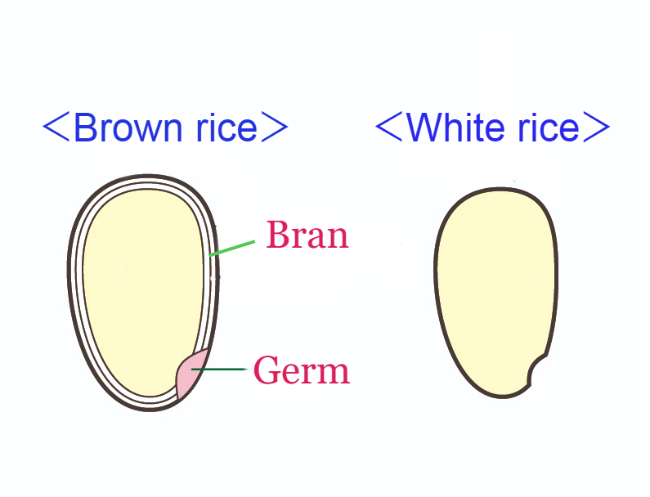
Furthermore, a reduction in dietary fiber decreases the bulk of food, which may delay the onset of satiety and ultimately contribute to an increase in total energy intake [15,18].
(3)Effects on ad libitum energy intake
In 2019, a research group at the U.S. National Institutes of Health (NIH) conducted a randomized controlled trial to examine the effects of UPFs on ad libitum energy intake in 20 weight-stable adults [19].
Participants were admitted to the NIH Clinical Center and consumed an ultra-processed diet and an unprocessed diet for two weeks each. The two diets were designed to be closely matched in presented calories, energy density, macronutrients, and other key nutritional characteristics. They were instructed to eat as much or as little as they desired.
As a result, during the ultra-processed diet period, participants consumed about 459 kcal more per day than during the unprocessed diet period and gained 0.9± 0.3 kg from baseline. In contrast, during the unprocessed diet period, participants lost 0.9± 0.3 kg [19].
Notably, the eating rate was significantly higher during the ultra-processed diet than during the unprocessed diet.
In addition, during the unprocessed diet period, levels of the appetite-suppressing hormone PYY increased, whereas levels of the hunger hormone ghrelin decreased.
The researchers suggested that the oral sensory properties of UPFs—such as their ease of chewing and swallowing—may have increased the eating rate and delayed satiety signals, ultimately leading to greater energy intake [19,20].
5. How UPFs may contribute to intestinal starvation
Until now, the global rise in obesity has often been explained in terms of a relative increase in caloric intake. Indeed, UPFs possess several characteristics that appear to support this view:
・High energy density
・High palatability and ease of consumption
・Potential to increase net energy gain through reduced DIT
・Delayed satiety, which may lead to greater ad libitum energy intake
At the same time, however, studies using the NOVA classification system has begun to highlight factors beyond calories alone.
Studies conducted in many countries have shown that the greater the proportion of total energy intake derived from UPFs, the higher the risk of obesity. However, this association may not be fully explained by an increase in caloric intake alone.
Of particular interest is the finding that lower consumption of unprocessed foods such as vegetables, poorer overall diet quality, and irregular meal timing have all been associated with higher UPF consumption.
In other words, the issue may not be UPF consumption itself alone, but also the fact that it can displace unprocessed foods and contribute to an overall deterioration in dietary balance.
In today's food environment, where efficiency and convenience are highly valued, opportunities to consume ready-to-eat foods such as refined carbohydrates and UPFs have increased. These foods are typically soft, require little chewing, and can be consumed quickly. At the same time, the consumption of unprocessed or minimally processed foods has declined.
As a result, the intake of dietary fiber and other less digestible substances may have decreased, creating conditions in which undigested matter is less likely to remain in the intestinal tract.
The intestinal starvation theory proposes that when ingested food has been completely digested within the intestinal tract, the body may perceive this as a state in which no food is present. I believe that advances in food-processing technology and the increasing availability of ultra-processed foods since the 1970s may have contributed to the occurrence of such conditions.
<References>
[1]Katz DL, Meller S. Can we say what diet is best for health? Annu Rev Public Health. 2014;35:83-103.
[2]Monteiro CA et al. NOVA. The star shines bright. Food classification. Public Health. World Nutr. J. 2016, 7, 28–38.
[3]Monteiro CA et al. The UN Decade of Nutrition, the NOVA food classification and the trouble with ultra-processing. Public Health Nutr. 2018 Jan;21(1):5-17.
[4]Nardocci M et al. Consumption of ultra-processed foods and obesity in Canada. Can J Public Health. 2019 Feb;110(1):4-14.
[5]Fiolet T et al. Consumption of ultra-processed foods and cancer risk: results from NutriNet-Santé prospective cohort. BMJ. 2018 Feb 14;360:k322.
[6]Elizabeth L et al. Ultra-Processed Foods and Health Outcomes: A Narrative Review. Nutrients. 2020 Jun 30;12(7):1955.
[7]Juul F et al. Ultra-processed food consumption and excess weight among US adults. Br J Nutr. 2018 Jul;120(1):90-100.
[8]Ultra-processed food and drink products in Latin America: trends, impact on obesity, policy implications. Pan American Health Organization, Washington (DC) (2013)
[9]Canella DS et al. Ultra-processed food products and obesity in Brazilian households (2008-2009). PLoS One. 2014 Mar 25;9(3):e92752.
[10]Rauber F et al. Ultra-processed food consumption and indicators of obesity in the United Kingdom population (2008-2016). PLoS One. 2020 May 1;15(5):e0232676.
[11]Mendonça RD et al. Ultraprocessed food consumption and risk of overweight and obesity: the University of Navarra Follow-Up (SUN) cohort study. Am J Clin Nutr. 2016 Nov;104(5):1433-1440.
[12]Liu J et al. Consumption of Ultraprocessed Foods and Diet Quality Among U.S. Children and Adults. Am J Prev Med. 2022 Feb;62(2):252-264.
[13]Bonaccio M et al. Association between Late-Eating Pattern and Higher Consumption of Ultra-Processed Food among Italian Adults: Findings from the INHES Study. Nutrients. 2023 Mar 20;15(6):1497.
[14]Beunza JJ et al. Adherence to the Mediterranean diet, long-term weight change, and incident overweight or obesity: the Seguimiento Universidad de Navarra (SUN) cohort. Am J Clin Nutr. 2010 Dec;92(6):1484-93.
[15]Barr SB, Wright JC. Postprandial energy expenditure in whole-food and processed-food meals: implications for daily energy expenditure. Food Nutr Res. 2010 Jul 2;54.
[16]Fereidoon Shahidi. Nutraceuticals and functional foods: Whole versus processed foods. Trends in Food Science & Technology, Volume 20, Issue 9, 2009, Pages 376-387.
[17]Secor SM. Specific dynamic action: a review of the postprandial metabolic response. J Comp Physiol B. 2009 Jan;179(1):1-56.
[18]Roberts SB. High-glycemic index foods, hunger, and obesity: is there a connection? Nutr Rev. 2000 Jun;58(6):163-9.
[19]Hall KD et al. Ultra-Processed Diets Cause Excess Calorie Intake and Weight Gain: An Inpatient Randomized Controlled Trial of Ad Libitum Food Intake. Cell Metab. 2019 Jul 2;30(1):67-77.e3.
[20] de Graaf C, Kok FJ. Slow food, fast food and the control of food intake. Nat Rev Endocrinol. 2010 May;6(5):290-3.
2022.10.10
Does Obesity Run in the Family or Is It Due to the Living Environment?
-
Contents
-
- What was the relationship of weight between adoptees and adoptive parents?
- What was the weight of the twins raised apart?
- What do we consider a change in environment?: My thoughts
- Will the shape of your body from childhood continue?
<The bottom line>
Is obesity inherited from parents?
Let us recall our classmates in elementary school. To some extent, we can imagine, if not one hundred percent, that if the parents are thin, their children are often thin, and if the parents are fat, their children are often fat.
The question here is whether this is due to genetics or due to the living environment. Here is one such study I’d like to introduce.

1. What was the relationship of weight between adoptees and adoptive parents?
"Obese children often have obese siblings. Obese children become obese adults. Obese adults go on to have obese children. Childhood obesity is associated with a 200 percent to 400 percent increased risk of adult obesity. This is an undeniable fact. (*snip*)
Families share genetic characteristics that may lead to obesity. However, obesity has become rampant only since the 1970s. Our genes could not have changed within such a short time. Genetics can explain much of the inter-individual risk of obesity, but not why entire populations become obese.
Nonetheless, families live in the same environment, eat similar foods at similar times and have similar attitudes. Families often share cars, live in the same physical space and will be exposed to the same chemicals that may cause obesity–so-called chemical obesogens. For these reasons, many consider the current environment the major cause of obesity.

Conventional calorie-based theories of obesity place the blame squarely on this “toxic" environment that encourages eating and discourages physical exertion. Dietary and lifestyle habits have changed considerably since the 1970s (e.g. car, television, computer, fast food, high-calorie food, sugar, etc.).
Therefore, most modern theories of obesity discount the importance of genetic factors, believing instead that consumption of excess calories leads to obesity. Eating and moving are voluntary behaviors, after all, with little genetic input.
So-exactly how much of a role does genetics play in human obesity?"
(Jason Fung. The Obesity Code. Greystone Books, 2016, Page 21-2.)
"The classic method for determining the relative impact of genetic versus environmental factors is to study adoptive families, thereby removing genetics from the equation.(*snip*)
Dr. Albert J. Stunkard performed some of the classic genetic studies of obesity. Data about biological parents is often incomplete, confidential and not easily accessible by researchers. Fortunately, Denmark has maintained a relatively complete registry of adoptions, with information on both sets of parents.

Studying a sample of 540 Danish adult adoptees, Dr. Stunkard compared them to both their adoptive and biological parents.
If environmental factors were most important, then adoptees should resemble their adoptive parents. If genetic factors were most important, the adoptees should resemble their biological parents.
No relationship whatsoever was discovered between the weight of the adoptive parents and the adoptees.(*snip*)
Comparing adoptees to their biological parents yielded a considerably different result. Here there was a strong, consistent correlation between their weights.
The biological parents had very little or nothing to do with raising these children, or teaching them nutritional values or attitudes toward exercise. Yet the tendency toward obesity followed them like ducklings. When you took a child away from obese parents and placed them into a "thin" household, the child still became obese.(*snip*)
This finding was a considerable shock. Standard calorie-based theories blame environmental factors and human behaviors for obesity. Environmental cues such as dietary habits, fast food, junk food, candy intake, lack of exercise, number of cars, and lack of playgrounds and organized sports are believed crucial in the development of obesity. But they play virtually no role."
(Fung. The Obesity Code. Pages 22-3.)
2. What was the weight of the twins raised apart?
"Studying identical twins raised apart is another classic strategy to distinguish environmental and genetic factors. Identical twins share identical genetic material, and fraternal twins share 25 percent of their genes.
In 1991, Dr. Stunkard examined sets of fraternal and identical twins in both conditions of being reared apart and reared together. Comparison of their weights would determine the effect of the different environments.
The results sent a shockwave through the obesity-research community. Approximately 70 percent of the variance in obesity is familial.(*snip*)

However, it is immediately clear that inheritance cannot be the sole factor leading to the obesity epidemic.
The incidence of obesity has been relatively stable through the decades. Most of the obesity epidemic materialized within a single generation. Our genes have not changed in that time span.
How can we explain this seeming contradiction?"
(Fung. The Obesity Code. Pages 23-4.)
3. What do we consider a change in environment? : My thoughts
I think this is a very interesting study because it compared data from biological parents and adoptive parents.
However, can we assert from the results of this one alone that the influence of genetics was much greater and environmental factors were much less significant?
I believe, as Doctor Fung mentions, the rapid increase in obesity in recent years (since about 1970) has much to do with changes in our living environment (what we eat, irregular lifestyle,etc.),not the genes.

Even those who were slim in their youth may gain five or ten kilos in a short period of time at a certain age, triggered by something (living alone, marriage, parenting, stress from work, etc.). Some people put on weight every time they try dieting to lose weight.
In other words, many of us, in our hearts, have probably noticed that changes in eating habits or our living environment can change our body shape.
■What is the "change in environment" that causes a change in weight here?
The study considers a child living with adoptive parents or twins raised separately to be a "change in living environment," but I think there is a problem with this study.
If a family can afford to take in a child as adoptive parents, don't they have some money to spare and feed their adoptee a somewhat balanced diet three times a day?
Although what they eat and caloric intake may differ from family to family, those changes are not necessarily "environmental changes" that cause changes in weight. Just because the adoptive parents are thin does not mean that adoptees will become thin even if they eat the same diet.
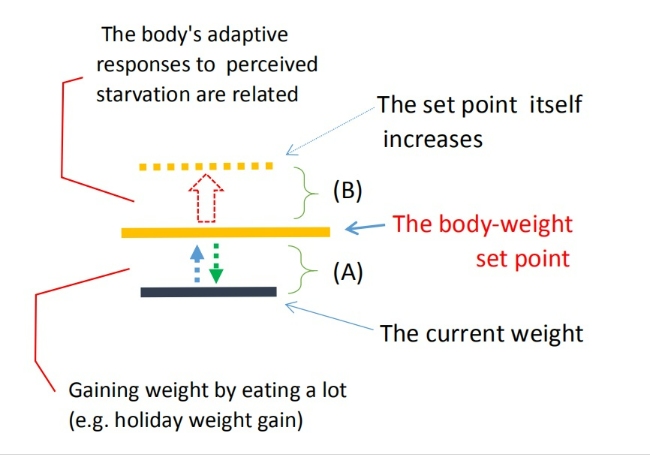
On the contrary, I believe that a fundamental increase in weight and body shape occurs when one’s set-point weight itself goes up, which is induced by intestinal starvation.
And since at least three (+one) factors are required to induce intestinal starvation, living with adoptive parents alone does not necessarily alter one’s set-point weight.
[Related article]
In Japan over the past few decades, our traditional eating habits have been declining. Instead, Westernized eating and diverse work styles have become more prevalent.
Amid these changes, intestinal starvation is more likely to be induced when unbalanced diets (high in easily digestible carbohydrates and ultra-processed foods, and with a lack of vegetables, etc.) combines with irregular lifestyle habits (skipping breakfast, eating late at night, etc.).
This is what I would like to call the "environmental factors and human behaviors" for the recent obesity epidemic, and while genetic factors are, of course, undeniable, I believe that environmental factors are quite significant.
4. Will the shape of your body from childhood continue?
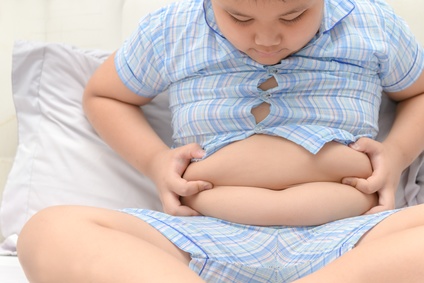
One thing to note here is that the body shape in childhood (say, around three to five years old) tends to continue into adulthood.
When I think back to my classmates in first and second grade, the girls and boys who were fat (although they were not big eaters) often have a similar body shape even decades later.
From my theory, that means that their set-point weight has not changed, and in this study, if there are no environmental factors that cause changes in their set-point for body weight, then wouldn't the body shape from childhood basically continue?
But, I’m simply wondering what the childhood body shape is due to? Whether it is genetic factors or the way food is prepared during childhood-including weaning-is a question that remains unanswered.
The bottom line
(1) In a study regarding adoptive families and examining how genetic and environmental factors influence being overweight, no correlation was found between the weight of adoptive parents and that of their adoptees. On the other hand, when the adoptees were compared to their biological parents, there was a consistent correlation between the weight of both.
A study of twins raised separately also concluded that "genetic influences are far more significant.”
(2) Many researchers had previously blamed "environmental factors and individual behavior” for the recent obesity epidemic, but this study concluded that genetics had far more impact than environmental factors.
However, I find this study problematic. The fact of children living with adoptive parents or twins raised separately is not necessarily an environmental factor that causes changes in weight.
(3) Of course, I do not think we can ignore the genetic factor, but I believe that the recent obesity epidemic is caused by a combination of what we eat-westernized diets, refined carbohydrates, processed foods, etc.-plus lifestyle changes.
A major change in weight and body shape occurs when one’s set-point weight goes up, which is induced by intestinal starvation.
(4) If there is no significant change in one's set-point weight, I think the body shape from childhood is expected to continue. However, I 'm uncertain what determines childhood body shape, whether it is heredity or the way food is prepared during childhood, including weaning.
2022.09.24
Why Does the Body Perceive That It Is More Starved than in the Past?
-
Contents
-
- How has our Japanese diet changed over the past fifty years?
- The Pima tribe who gained weight under rations, not prosperity
- The newer the diet in history, the less fit the body is
<End note>
1.How has our Japanese diet changed over the past fifty years?
I was born in 1970, about fifty years ago. That was when twenty-five years had passed since the end of the World WarⅡ, and Japan was in the midst of its rapid economic growth.
In retrospect, I feel that the food scene was quite different from what it is today. My parents were farmers in the country side of Osaka, growing rice and mushrooms. We also had about twenty chickens to get fresh eggs.
On the dining table in the morning, there was usually rice, miso soup, pickles, traditional stewed vegetables, and half-dried fish. I remember the family eating together.
Of course, we sometimes ate bread, but my father did physical labor, so rice was an essential part of breakfast.

(Typical Japanese breakfast we used to have)
■The 1970s, when the dining scene changed dramatically
I think it was after 1970 that our dining landscape slowly changed. I had not been taken to restaurants much when I was a kid, but fast food restaurants and other restaurant chains opened one after another in all corners of Japan, and many people began to eat Western food.
McDonald's (since 1971), Kentucky Fried Chicken (since 1970) and family restaurants called Skylark (since 1970) were the most famous among them. In 1974, the first convenience stores (called Seven-Eleven) opened in Tokyo, followed by a rapid increase throughout the country. Instant foods such as cup noodles and frozen foods also increased rapidly, reflecting busy social conditions.

Even in the 1970s, school lunches already had bread as their side dish rather than rice (apparently at the behest of GHQ, which ruled after the war), and those of us who had grown accustomed to such a diet began to prefer bread, noodles, and other wheat-based foods even as adults.
Along with this, we liked to eat meat and (ultra-) processed foods rather than fish with bones.
We began to prefer soft foods to fibrous and hard foods, and the traditional vegetable stews that had been commonly eaten became less and less common.
Our lifestyles also changed dramatically. More and more people began to work at desks rather than at physical jobs. Nighttime lifestyles became the norm, and more people didn't even eat breakfast.
It was probably around this time that obesity began to increase in Japan. Nowadays, it is not unusual to see women over one hundred-kilograms on the streets.
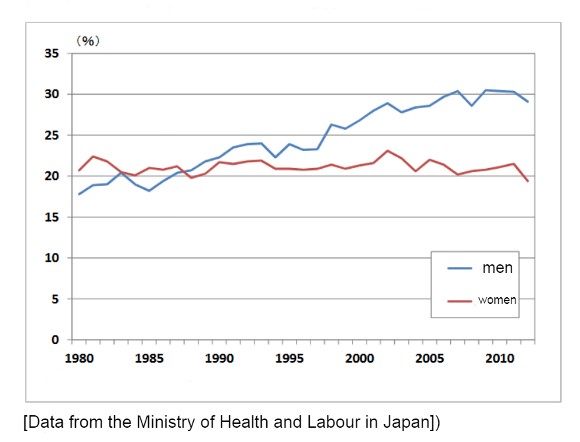
(Percentage of adults with a BMI of 25 or higher: In both men and women, it has been increasing since 1980
One might think that increased caloric intake was the cause of being overweight.
However, on a caloric basis, the average daily caloric intake of the population in 1970 was twenty-two-hundred kcal, yet in 2010 it had decreased to eighteen-hundred-fifty kcal. [1]
To explain this in my theory, the modern diet is often low in fiber and tends to favor easily digestible refined carbohydrates, processed meat and fish products, and fast food, etc., which can, in turn, induce a state of intestinal starvation based on how we combine the foods.
In particular, with changes in eating habits, such as having only two meals a day (skipping breakfast or lunch), light lunches, or late dinners, as well as dietary restrictions due to dieting, many people experience long periods of hunger, making intestinal starvation more likely to occur.
2. The Pima tribe who gained weight under rations, not prosperity
As an example of how obesity has increased as old traditional eating habits have declined and became westernized, I would like to cite a Native American tribe known as the Pima, although the situation is slightly different.
This is the second time I quote from Mr. Taubes' "Why We Get Fat," but this part is very important and may be the key to solving the problems of obesity, diabetes, and other diseases.
"Consider a Native American tribe in Arizona known as the Pima. Today the Pima may have the highest incidence of obesity and diabetes in the United States. Their plight is often evoked as an example of what happens when a traditional culture runs afoul of the toxic environment of modern America. (*snip*)
Between 1901 and 1905, two anthropologists(Russell and Hrdlička) independently studied the Pima, and both commented on how fat they were, particularly the women. (*snip)
Through the 1850s, the Pima had been extraordinarily successful hunters and farmers.

By the 1870s, the Pima were living through what they called the “years of famine.”(*snip*) The tribe was still raising what crops it could but was now relying on government rations for day-to-day sustenance.(*snip*)
What makes this observation so remarkable is that the Pima, at the time, had just gone from being among the most affluent Native American tribes to among the poorest.
Whatever made the Pima fat, prosperity and rising incomes had nothing to do with it; rather, the opposite seemed to be the case.
And if the government rations were simply excessive, making the famines a thing of the past, then why would the Pima get fat on the abundant rations and not on the abundant food they'd had prior to the famines? Perhaps the answer lies in the type of food being consumed, a question of quality rather than quantity.(*snip*)
So maybe the culprit was the type of food. The Pima were already eating everything “that enters into the dietary of the white man,” as Hrdlička said. This might have been key.
The Pima diet in 1900 had characteristics very similar to the diets many of us are eating a century later, but not in quantity, in quality."
(Gary Taubes. Why We Get Fat. New York: Anchor Books, 2011, Pages 19-23.)
[Related article] Wealthy Ones Get Fat? Poor Ones Get Fat?
In terms of food, I believe that Japanese people in 1970 were eating a lot of different kinds of food than today. There were no convenience stores, and the diet was based on mom's home cooking, with a variety of seasonal vegetables and fish.
In contrast, the modern diet is based on easily digestible carbohydrates and processed meat products, and the variety of food ingredients we eat seems to have decreased dramatically.
Many people are normally worried about gaining weight and are dieting, and then they occasionally splurge and eat high-calorie food as a reward. The situation is different, but if we focus on the inside of the intestines, I can say that it is the same as what happened to the Pima population.
3. The newer the diet in history, the less fit the body is
"The idea is that the longer a particular type of food has been part of the human diet, the more beneficial and less harmful it probably is— the better adapted we become to that food.
And if some food is new to human diets, or new in large quantities, it's likely that we haven't yet had time to adapt, and so it's doing us harm. (*snip*)

The obvious question is, what are the “conditions to which presumably we are genetically adapted”? As it turns out, what Donaldson assumed in 1919 is still the conventional wisdom today: our genes were effectively shaped by the two and a half million years during which our ancestors lived as hunters and gatherers prior to the introduction of agriculture twelve thousand years ago."
(Taubes. Why We Get Fat. Pages 163-4.)
I believe what the author tried to get across was that the modern diet of allowing large amounts of carbohydrates is not genetically compatible with our bodies, and that eating meat and its fat may be more compatible and less harmful to us on a genetic level.
I will quote this passage above to explain my intestinal starvation mechanism.
Suppose (and it makes more sense) that God created a genetic blueprint for people to "store body fat" in case they could not find food.
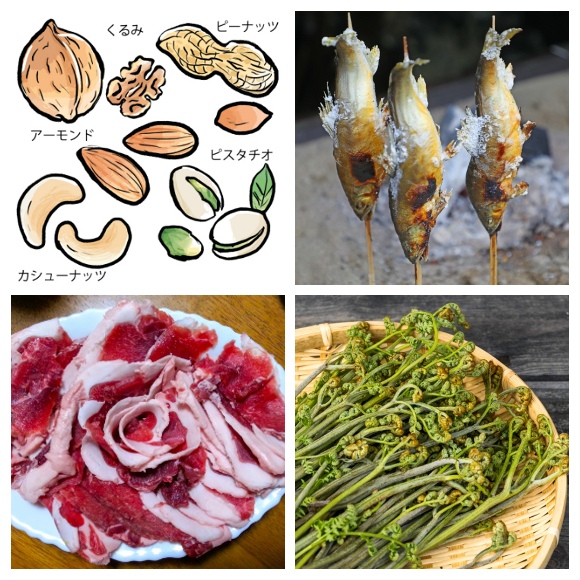
If the state of "no food" (starvation) was recognized when all food was digested in the entire intestinal tract, then during the hunting-and-gathering age and farming age when people ate wild boar meat, nuts, vegetables with tough cell walls, and unrefined grains, etc., their intestines would not have been in a state of complete starvation even if they couldn’t eat anything for a whole day (because of the long intestines).
In contrast, a modern diet high in quickly digested foods —such as refined wheat and rice, starches, processed meat and fish products, and fast food—can, depending on the combination, lead to a state of intestinal starvation in as little as half a day.
I believe it is the entire intestines (or it may be the small intestine only) that makes all the decisions, and it goes to show that inside the gut, many of us are starving more today than in the past.
End note
People sometimes say, "Japanese food culture is healthy by world standards," but I believe this to be a relic of the past until around the year 2000 at the latest. Now, I feel that traditional Japanese food culture is dying in the average household.
Children who grew up eating fast food are now in their fifties and sixties, and their children are now in their thirties. Thus, in about fifty to sixty years (about two generations), the opportunity to eat traditional foods will have faded away, and the food culture will change greatly.
And, with the shift in diet, it seems like that diseases such as diabetes, kidney disease, heart disease, cancer, and stroke, which were once not as common, are on the rise, just as they are in the Western countries.
References:
[1]Yasuo Kagawa(香川靖雄) , Clock Gene Diet (時計遺伝子ダイエット), 2012, Page 15.
2021.10.15
The Combination of Undernutrition and Obesity Among the Poor Can be Possible
-
Contents
-
- The case of undernutrition and obesity
- What should we do?
- Being underweight and being overweight can coexist: My thoughts
Most of the parts of this article are citations from a book, but at the end of this article, I will explain how it is related to my experience.
[Related article] → Wealthy Ones Get Fat? Poor Ones Get Fat?
1. The case of undernutrition and obesity
"This combination of obesity and malnutrition or undernutrition (not enough calories) existing in the same populations is something that authorities today talk about as though it were a new phenomenon, but it's not. Here we have malnutrition or undernutrition coexisting with obesity in the same population eighty years ago.
(Gary Taubes. Why We Get Fat. New York: Anchor Books. 2011. Page 24.)
(In the mid-1930s, New York City)
In 1934, a young German pediatrician named Hilde Bruch moved to America, settled in New York city, and was 'startled,' as she later wrote, by the number of fat children she saw—'really fat ones, not only in clinics, but on the streets and subways, and in schools. '(*snip*)

But this was New York City in the mid-1930s. This was two decades before the first Kentucky Fried Chicken and McDonald's franchises, when fast food as we know it today was born. This was half a century before supersizing and high-fructose corn syrup.
More to the point, 1934 was the depths of the Great Depression, an era of soup kitchens, bread lines, and unprecedented unemployment.
One in every four workers in the United States was unemployed. Six out of every ten Americans were living in poverty. In New York City, where Bruch and her fellow immigrants were astonished by the adiposity of the local children, one in four children were said to be malnourished. How could this be?(*snip*)
It was hard to avoid, Bruch said, the simple fact that these children had, after all, spent their entire lives trying to eat in moderation and so control their weight, or at least thinking about eating less than they did, and yet they remained obese."
(Taubes. Why We Get Fat. Pages 3, 4.)
(The case of a native American tribe, the Sioux, in 1930's)
"Two researchers from the University of Chicago studied Native American tribe, the Sioux living on the South Dakota Crow Creek Reservation. These Sioux lived in shacks 'unfit for occupancy,' often four to eight family members per room. Fifteen families, with thirty-two children among them, lived “chiefly on bread and coffee.” This was poverty almost beyond our imagination today.
Yet their obesity rates were not much different from what we have today in the midst of our epidemic: 40 percent of the adult women on the reservation, more than a quarter of the men, and 10 percent of the children, according to the University of Chicago report, 'would be termed distinctly fat.'

But the researchers noted another pertinent fact about these Sioux: one-fifth of the adult women, a quarter of the men, and a quarter of the children were 'extremely thin.'
The diets on the reservation, much of which, once again, came from government rations, were deficient in calories, as well as protein and essential vitamins and minerals. The impact of these dietary deficiencies was hard to miss: 'Although no counts were taken, even a casual observer could not fail to note the great prevalence of decayed teeth, of bow legs, and of sore eyes and blindness among these families.'"
(Taubes. Why We Get Fat. Pages 23-4.)
(In the slums of São Paulo, Brazil)
"This is from a 2005 New England Journal of Medicine article, ''A Nutrition Paradox-Underweight and Obesity in Developing Countries,' written by Benjamin Caballero, head of the Center for Human Nutrition at Johns Hopkins University.
Caballero describes his visit to a clinic in the slums of São Paulo, Brazil.
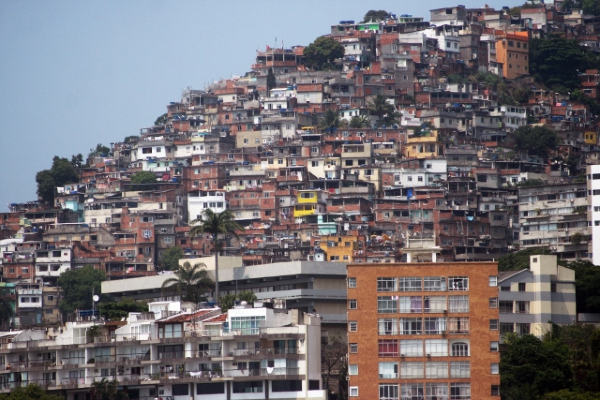
The waiting room, he writes, was 'full of mothers with thin, stunted young children, exhibiting the typical signs of chronic undernutrition.
Their appearance, sadly, would surprise few who visit poor urban areas in the developing world. What might come as a surprise is that many of the mothers holding those undernourished infants were themselves overweight.'(*snip*)

If we believe that these mothers were overweight because they ate too much, and we know the children are thin and stunted because they're not getting enough food, then we're assuming that the mothers were consuming superfluous calories that they could have given to their children to allow them to thrive.
In other words, the mothers are willing to starve their children so that they themselves can overeat. This goes against everything we know about maternal behavior. (*snip*)
Caballero then describes the difficulty that he believed this phenomenon presents: ''The coexistence of underweight and overweight poses a challenge to public health programs, since the aims of programs to reduce undernutrition are obviously in conflict with those for obesity prevention.'
Put simply, if we want to prevent obesity, we have to get people to eat less, but if we want to prevent undernutrition, we have to make more food available. What do we do?"
(Taubes. Why We Get Fat. Pages 30-1.)
2. What should we do?
"In the early 1970s, nutritionists and research-minded physicians would discuss the observations of high levels of obesity in these poor populations, and they would occasionally do so with an open mind as to the cause. (*snip*)

Here's Rolf Richards, the British-turned-Jamaican diabetes specialist, discussing the evidence and the quandary of obesity and poverty in 1974, and doing so without any preconceptions: "It is difficult to explain the high frequency of obesity seen in a relatively impecunious [very poor] society such as exists in the West Indies, when compared to the standard of living enjoyed in the more developed countries.
Malnutrition and subnutrition are common disorders in the first two years of life in these areas, and account for almost 25 per cent of all admissions to pediatric wards in Jamaica. Subnutrition continues in early childhood to the early teens. Obesity begins to manifest itself in the female population from the 25th year of life and reaches enormous proportions from 30 onwards.'
When Richards says 'subnutrition,' he means there wasn't enough food. From birth through the early teens, West Indian children were exceptionally thin, and their growth was stunted. They needed more food, not just more nutritious food. Then obesity manifested itself, particularly among women, and exploded in these individuals as they reached maturity.
This is the combination we saw among the Sioux in 1928 and later in Chile— malnutrition and/or undernutrition or subnutrition coexisting in the same population with obesity, often even in the same families. (*snip*)
Referring to obesity as a 'form of malnutrition' comes with no moral judgments attached, no belief system, no veiled insinuations of gluttony and sloth. It merely says that something is wrong with the food supply and it might behoove us to find out what.(*snip*)
Again, the coexistence of underweight and overweight in the same populations and even in the same families doesn't pose a challenge to public-health programs; it poses a challenge to our beliefs about the cause of obesity and overweight."
(Taubes. Why We Get Fat. Pages 29-32.)
3. Being underweight and being overweight can coexist: My thoughts
<About undernutrition and overweight>
First, I would like to explain, based on my experience, that the coexistence of undernutrition and obesity are not contradictory messages.
I repeat that when I was very thin, under forty kilograms, at first, I was eating high-calorie foods such as deep-fried foods or sweet, but I couldn’t gain weight. And then, I realized that I could gain weight by digesting all the foods in my whole intestines and inducing intestinal starvation.
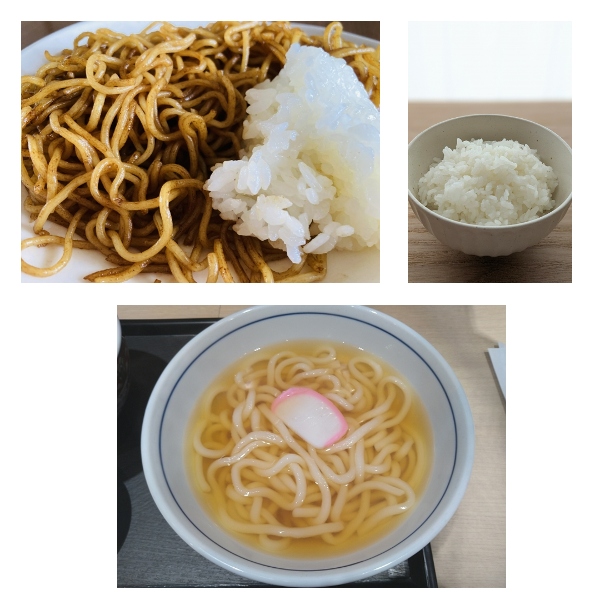
The easiest way to induce intestinal starvation was to eat digestible refined carbohydrates (rice, white bread, noodles, starches, etc.) and a little easy-to-digest protein (and not to eat other foods), but since it lacked energy and essential nutrients for my body, I felt dizzy from the undernutrition.
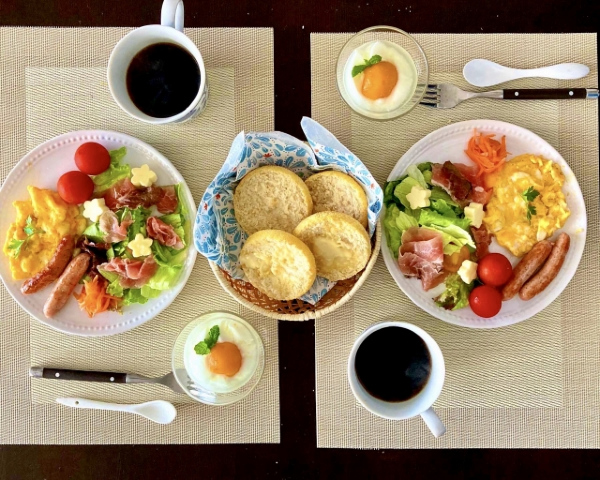
If I ate eggs, vegetables, beans, or fish, or drank milk to add more essential nutrients, though the nutritional profile was better, I couldn’t gain any weight. For me, it was because I couldn’t digest them well.
IIn short, a higher ratio of digestible refined carbohydrates in the meals and eating fewer fibrous vegetables, fat, and other indigestible foods are more likely to induce intestinal starvation and cause one’s set-point weight to increase.
It’s probably certain that a deficiency of vitamins and/or minerals can cause illnesses, but being overweight is not contradicting being in a state of undernutrition.
<About the coexistence of being underweight and overweight>
Getting back to what Caballero refered to, even if people eat similar foods in the same group, it may lead to a different result in the body.
Some people who digested all the foods in their whole intestines may have gained weight—which means their set-point weight went up by intestinal starvation— and ended up becoming overweight.
However, those who were not able to digest all the foods in their whole intestines remained underweight. I believe that leaving Just a little bit of undigested food in the intestines makes it hard to induce intestinal starvation. (Being extremely thin can cause poor digestion, so it makes it even harder for them to induce intestinal starvation.) A small difference sometimes makes a big difference in the end result.

To sum up, what happened in the groups in poverty situations is a similar phenomenon that is happening in our modern society.
When someone doesn't eat much and is fat, we tend to assume that they are inactive or have a slow metabolism. And when someone who eats a lot but is thin, we tend to assume that they are active or have a fast metabolism.
Most researchers just try to fit everything into the theory that “fat people eat too much or are physically inactive” for some reason.
However, if we look at these ideas I’ve presented with an open mind, we can say that this is the same phenomenon as the "coexistence of thin and obese" in the same population.
At the risk of repeating myself, being overweight is not necessarily the consequence of overeating.
2019.06.22
Obesity as a Multifactorial Condition: Does Intestinal Starvation Act as a Confounding Factor?
-
Contents
-
- "Overeating causes obesity" is too simplistic
- Most diet methods are "partially correct"
- Can environmental and behavioral factors be systematically organized?
- Intestinal starvation as a confounding factor
The bottom line
1. "Overeating causes obesity" is too simplistic
A 2012 online survey of 1,143 adults in the United States conducted by Reuters and the market research firm Ipsos found that 61% of American adults believed "personal choices related to diet and exercise" were responsible for the obesity epidemic[1,2]. In other words, many Americans still hold the belief that people who become obese lack willpower, overeat, and do not exercise enough[2].
The situation in Japan appears to be similar. Even news anchors and experts frequently make statements such as, “It's only natural to gain weight if you overeat and don’t exercise,” suggesting that many Japanese people likely hold the same view.
However, scientific research indicates that "personal choices" may not account for all cases of obesity[2].
Classical genetic studies based on adoption studies, family studies, twin studies, etc., indicate that about 50–70% of the variance (heritability estimates) in BMI is genetic (Those estimates vary depending on the study design and assessment methods) [3].
Even today, the heritability of obesity is estimated at 40% to 70%[4].

Some researchers point out that numerous different genes have been found to be involved in food selection, food intake, absorption, metabolism, and energy expenditure including physical activity. When considering interactions between gene-by-gene or gene(s)-by-environment(s), the complexity of the mechanisms underlying weight regulation becomes even greater[3].
International Statements Recognizing Obesity as a Chronic Disease
・In 1948, the World Health Organization (WHO) established the International Classification of Diseases (ICD) and classified obesity as a disease. This is considered one of the earliest official frameworks in which obesity was treated as an illness.
However, at the time, this classification received little attention within the medical community and was not widely regarded as clinically important for several decades thereafter[5].
・In 1997, following consultations with the International Obesity Task Force (IOTF, now part of the World Obesity Federation), the WHO clearly identified obesity as a complex and serious chronic disease in an official report[6].
・In 2012, the American Association of Clinical Endocrinologists (AACE) designated obesity as a chronic disease. This designation was based on the recognition that the pathophysiology of obesity is complex, involving interactions among genetic and biological factors, the environment, and behavior, and that obesity meets the definition of a disease as outlined by the American Medical Association (AMA)[7].
・Subsequently, in 2013, the American Medical Association (AMA) formally recognized obesity as a chronic disease[8].
2. Most diet methods are partially correct
If we accept that the human gene pool is unlikely to change substantially over a period of 50 or even 100 years, then the global rise in obesity observed since the 1970’s can reasonably be understood as being strongly influenced by environmental and behavioral factors.
With this in mind, I would like to take a closer look at these factors. An interesting observation about recent popular diets is particularly relevant here and is quoted below.
“What causes weight gain? Contending theories abound:
・Calories ・Food reward・Food addiction
・Sugar・Sleep deprivation ・Stress
・Refined carbohydrates・Wheat
・Low fiber intake・All carbohydrates
・Genetics・Dietary fat ・Red meat
・Poverty ・All meat・Wealth
・Dairy products・Gut microbiome
・Snacking・Childhood obesity
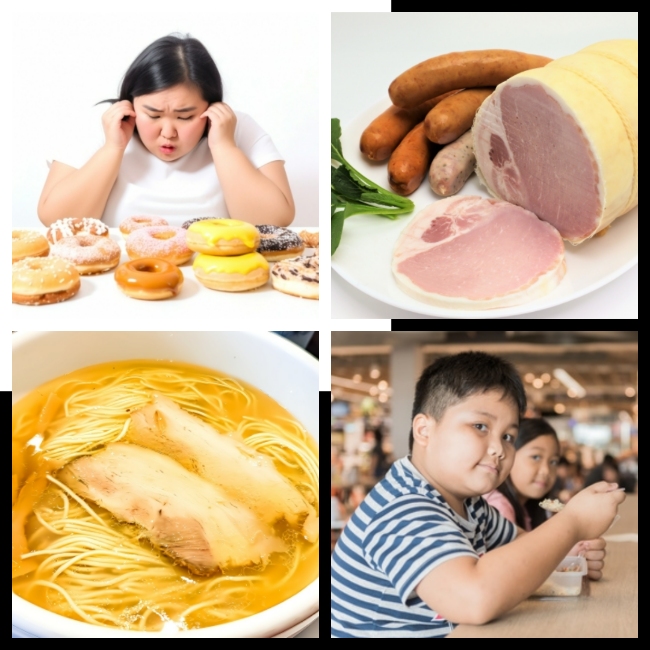
The various theories fight among themselves, as if they are all mutually exclusive and there is only one true cause of obesity. For example, recent trials that compare a low-calorie to a low-carbohydrate diet assume that if one is correct, the other is not. Most obesity research is conducted in this manner.
This approach is wrong, since these theories all contain some element of truth. (*snip*)
THE MULTIFACTORIAL NATURE of obesity is the crucial missing link. There is no one single cause of obesity. (*snip*)
What we need is a frame work, a structure, a coherent theory to understand how all its factors fit together. Too often, our current model of obesity assumes that there is only one single true cause, and that all others are pretenders to the throne. Endless debates ensue.
Too many calories cause obesity. No, too many carbohydrates. No,
too much saturated fat. No, too much red meat. No,
too much processed foods. No, too much high fat dairy. No,
too much wheat. No, too much sugar. No,
too much highly palatable foods. No, too much eating out. No
It goes on and on. They are all partially correct. (*snip*)
All diets (e.g., calorie restriction, low-fat, paleo, vegan) work because they all address a different aspect of the disease. But none of them work for very long, because none of them address the totality of the disease.
Without understanding the multifactorial nature of obesity-which is critical -we are doomed to an endless cycle of blame."
(Jason Fung. The Obesity Code. Greystone Books. 2016. Pages 70, 216-217.)
I find the author’s discussion of the multifactorial nature of obesity to be highly insightful. Obesity is not a simple phenomenon caused solely by overeating; rather, it arises from a complex interplay of multiple factors, and this is a point we must first recognize.
However, at the same time, the sheer number of factors that are often listed suggests another problem: the mechanisms and contributing factors behind weight gain have not been sufficiently organized or clearly conceptualized.
I believe that by introducing the concept of intestinal starvation, some of the environmental and behavioral factors that appear complex can be viewed in a more structured and coherent way. By shifting our focus away from observable eating habits and lifestyle patterns and toward the unseen workings of the intestines, the underlying mechanisms of obesity may become more apparent.
3. Can environmental and behavioral factors be systematically organized?
Here, it is worth reaffirming that the phenomenon commonly described as “gaining weight” actually involves two distinct processes. Introducing this conceptual framework makes it easier to organize and understand the many factors that contribute to weight gain.
【Related article】
The Two Distinct Processes Behind Weight Gain
(1) When body weight returns to its original set point
One type of weight gain occurs when body weight, which has been intentionally kept low, begins to return toward its set point. This process is illustrated in Figure 1A.
Not only the weight gain commonly explained as resulting from overeating or lack of exercise, but also many calorie-restricted diets and traditional weight-loss intervention studies fall into this category.
Fig. 1
Admittedly, regardless of whether fat, carbohydrates, or ultra-processed foods are restricted, body weight tends to decrease temporarily as long as energy intake falls below energy expenditure.
However, because this approach does not alter the underlying body-weight set point, making long-term weight loss maintenance difficult and increasing the likelihood of weight rebound once previous eating patterns resume.
As Dr. Briffa has pointed out, calorie restriction may serve as a temporary remedy, but it is not a fundamental solution to obesity as a whole.
(2) The process by which the set point itself increases
In contrast, the weight gain illustrated in Figure 1B represents a situation in which the body-weight set point itself increases. I propose that this type of weight gain is the result of an adaptive response to the body’s recognition of “starvation.”
One form of this “perceived starvation” is intestinal starvation. Intestinal starvation does not arise from a single cause; rather, it emerges through the simultaneous involvement of multiple factors. This perspective may help clarify the multifactorial nature of obesity, particularly its relationship with environmental and behavioral factors.
【Related article】
Three (+1) Factors That Accelerate “Intestinal Starvation”
4. Intestinal starvation as a confounding factor
Skipping breakfast, eating late dinners, having fewer meals per day, diets high in refined carbohydrates or (ultra-)processed foods, insufficient dietary fiber, and unbalanced diets are often reported to be associated with weight gain and obesity.
What is important, however, is that these factors may not independently cause obesity. Instead, they may influence the occurrence of intestinal starvation.
In other words, I suggest that the core causal factor in obesity may not be individual lifestyle behaviors themselves, but rather intestinal starvation, which is commonly affected by these behaviors.
In this sense, intestinal starvation may be conceptualized as a physiological response that functions as a confounding factor (see Note 1) in obesity research.
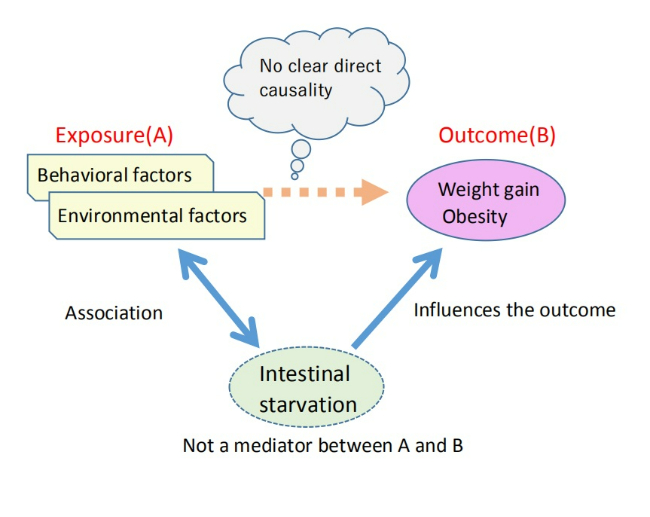
Fig. 2. Conceptual framework of intestinal starvation acting in a confounding-like manner
Note 1: A confounding factor is a third variable that influences both the presumed cause (exposure) and the outcome, thereby obscuring the true relationship between them. For example, even if low dietary fiber intake appears to be associated with obesity, intestinal starvation may be an underlying factor that affects both.
The bottom line
(1)Obesity is now widely recognized as a chronic, multifactorial disease driven by interactions among genetic, biological, environmental, and behavioral factors. While many fad diets address specific aspects of obesity, none adequately targets the condition as a whole, which may explain their limited long-term effectiveness.
(2)What is needed now is a conceptual framework that explains how multiple factors interact. By adopting the perspectives outlined below, environmental and behavioral factors related to obesity can be more clearly organized and understood.
(a) There are two distinct processes that lead to weight gain, and one of them—an upward shift in the body-weight set point—is closely associated with the rise in obesity.
(b) Intestinal starvation is involved in this upward shift of the set point itself. It represents an adaptive physiological response that arises at the intersection of genetic factors and the modern food environment and lifestyle, and thus may help explain the multifactorial nature of obesity.
(3) From this perspective, the central causal factor in obesity may not be individual lifestyle behaviors themselves, but rather intestinal starvation, which is commonly influenced by these factors. In this sense, intestinal starvation can be viewed as a biological response that functions as a confounding factor in obesity research.
References
[1]Begley S. America's hatred of fat hurts obesity fight. Reuters. May 11, 2012.
[2]Jou C. The biology and genetics of obesity--a century of inquiries. N Engl J Med. 2014 May 15;370(20):1874-7.
[3]Speakman JR et al. Set points, settling points and some alternative models: theoretical options to understand how genes and environments combine to regulate body adiposity. Dis Model Mech. 2011 Nov;4(6):733-45.
[4]McPherson R. Genetic contributors to obesity. Can J Cardiol. 2007 Aug;23 Suppl A(Suppl A):23A-27A.
[5]James, W. WHO recognition of the global obesity epidemic. Int J Obes 32 (Suppl 7), S120–S126 (2008).
[6]Obesity as a Disease.The World Obesity Federation
[7] Garvey WT. Is Obesity or Adiposity-Based Chronic Disease Curable: The Set Point Theory, the Environment, and Second-Generation Medications. Endocr Pract. 2022 Feb;28(2):214-222.
[8] Garvey WT et al. American Association of Clinical Endocrinologists and American College of Endocrinology Comprehensive Clinical Practice Guidelines for Medical Care of Patients with Obesity. Endocr Pract. 2016 Jul;22 Suppl 3:1-203.
2017.12.10
Wealthy People Get Fat? Poor People Get Fat?
-
Contents
-
- Wealth is said to be the cause of obesity....
- The case of poverty and obesity
- Why were they fat?
- Though we have become wealthy, how is the quality of our food? My thoughts
I would like to share with you an interesting story based on profound research that is also relevant to my theory. I will conclude this post with my thoughts.
【Related article】The Combination of Thin and Overweight in the Same Poor Group Is Not Contradictory
1. Some believe that wealth is said to be the cause of obesity...
"Ever since researchers at the Centers for Disease Control and Prevention (CDC) broke the news in the mid-1990s that the epidemic was upon us, authorities have blamed it on overeating and sedentary behavior and blamed those two factors on the relative wealth of modern societies.
■'Improved prosperity' caused the epidemic, aided and abetted by the food and entertainment industries, as the New York University nutritionist Marion Nestle explained in the journal Science in 2003.
'They turn people with expendable income into consumers of aggressively marketed foods that are high in energy but low in nutritional value, and of cars, television sets, and computers that promote sedentary behavior. Gaining weight is good for business.'
■The Yale University psychologist Kelly Brownell coined the term 'toxic environment' to describe the same notion.
Just as the residents of Love Canal or Chernobyl lived in toxic environments that encouraged cancer growth, the rest of us, Brownell says, live in a toxic environment 'that encourages overeating and physical inactivity.'
'Cheeseburgers and French fries, drive-in windows and supersizes, soft drinks and candy, potato chips and cheese curls, once unusual, are as much our background as tree, grass, and clouds. Computers, video games, and televisions keep children inside and inactive,' he says.(*snip*)

▽The World Health Organization (WHO) uses the identical logic to explain the obesity epidemic worldwide, blaming it on rising incomes, urbanization, 'shifts toward less physically demanding work...moves toward less physical activity...and more passive leisure pursuits.'
Obesity researchers now use a quasi-scientific term to describe exactly this condition: they refer to the 'obesigenic' environment in which we now live, meaning an environment that is prone to turning lean people into fat ones."
(Gary Taubes. Why We Get Fat. New York: Anchor Books, 2011, Pages 17-8.)
In Japan as well, this idea is widely accepted, and most experts on television explain that overeating and physical inactivity are the causes of obesity.
2. The case of poverty and obesity
However, what we have to consider here is that obesity is spreading in the poor layers of society, too.
"One piece of evidence that needs to be considered in this context, however, is the well-documented fact that being fat is associated with poverty, not prosperity-certainly in women, and often in men. The poorer we are, the fatter we're likely to be. (*snip*)
In the early 1970s, nutritionists and research-minded physicians would discuss the observations of high levels of obesity in these poor populations, and they would occasionally do so with an open mind as to the cause.(*snip*)
This was a time when obesity was still considered a problem of 'malnutrition' rather than 'overnutrition,' as it is today."
(Taubes. Why We Get Fat. Pages 18, 29.)
"Between 1901 and 1905, two anthropologists independently studied the Pima (Native American tribe in Arizona), and both commented on how fat they were, particularly the women.
Through the 1850s, the Pima had been extraordinarily successful hunters and farmers. By the 1870s, the Pima, however, were living through what they called the 'years of famine.' (*snip*)

When two anthropologists (Russell and Hrdlička) appeared, in the first years of the twentieth century, the tribe was still raising what crops it could but was now relying on government rations for day-to-day sustenance.
What makes this observation so remarkable is that the Pima, at the time, had just gone from being among the most affluent Native American tribes to among the poorest.
Whatever made the Pima fat, prosperity and rising incomes had nothing to do with it; rather, the opposite seemed to be the case. (*snip*)
(A quarter-century after Russell and Hrdlička visited Pima)
Two researchers from the University of Chicago studied another Native American tribe, the Sioux living on the South Dakota Crow Creek Reservation.
These Sioux lived in shacks 'unfit for occupancy,' often four to eight family members per room. Many had no plumbing and no running water. Forty percent of the children lived in homes without any kind of toilets. Fifteen families, with thirty-two children among them, lived "chiefly on bread and coffee.' This was poverty almost beyond our imagination today.
Yet their obesity rates were not much different from what we have today in the midst of our epidemic : 40 percent of the adult women on the reservation, more than a quarter of the men, and 10 percent of the children, according to the University of Chicago report, 'would be termed distinctly fat.'"
(Taubes. Why We Get Fat. Pages 20-24.)

1950-1980’s
This combination of obesity and undernutrition existing in the same populations have been found and reported from around the world, including the West Indies, South Africa, Chile, Ghana, and Jamaica.
3. Why were they fat?
<About the case of Manhattanites, in the early 1960's>
"This was first reported in a survey of New Yorkers-midtown Manhattanites-in the early 1960s: obese women were six times more likely to be poor than rich; obese men, twice as likely. (*snip*)
Can it be possible that the obesity epidemic is caused by prosperity, so the richer we get, the fatter we get, and that obesity associates with poverty, so the poorer we are, the more likely we are to be fat?
It's not impossible. Maybe poor people don't have the peer pressure that rich people do to remain thin. Believe it or not, this has been one of the accepted explanations for this apparent paradox.

Another commonly accepted explanation for the association between obesity and poverty is that fatter women marry down in social class and so collect at the bottom rungs of the ladder; thinner women marry up.
A third is that poor people don't have the leisure time to exercise that rich people do; they don't have the money to join health clubs, and they live in neighborhoods without parks and sidewalks, so their kids don't have the opportunities to exercise and walk.
These explanations may be true, but they stretch the imagination, and the contradiction gets still more glaring the deeper we delve."
(Taubes. Why We Get Fat. Page18-19)
<About the case of the Pima (Native American tribe in Arizona >
"So why were they fat? Years of starvation are supposed to take weight off, not put it on or leave it on, as the case may be. And if the government rations were simply excessive, making the famines a thing of the past, then why would the Pima get fat on the abundant rations and not on the abundant food they'd had prior to the famines?
Hrdlička also thought that their physical inactivity was the cause of obesity because they were sedentary in comparison with what they used to be. This is what Hrdlička called 'the change from their past active life to the present state of not a little indolence.' But then he couldn't explain why the women were typically the fat ones, even though the women did virtually all the hard labor in the villages—harvesting the crops, grinding the grain, even carrying the heavy burdens.
▽Perhaps the answer lies in the type of food being consumed, a question of quality rather than quantity.
This is what Russell was suggesting when he wrote that 'certain articles of their food appear to be markedly flesh producing.'
The Pima were already eating everything 'that enters into the dietary of the white man,' as Hrdlička said. This might have been key.
The Pima diet in 1900 had characteristics very similar to the diets many of us are eating a century later, but not in quantity, in quality."
(Taubes. Why We Get Fat. Pages 22-3.)
4. Though we say we have become wealthy, how is the quality of our food? My thoughts
I want to explain my consideration based on numbers one to three.
First of all, when considering "obesity," isn't it too simplistic to think that obesity has increased since we have become wealthier?

It is true that our lives are wealthier than we used to be in terms of freedom of choice and an abundance of goods. If we have a certain income, we can do what we like and eat what we want.
However, when the income is low, we can’t spend a lot for food. Also, we don’t have enough time to eat, since many of us are so busy at work or with household chores.

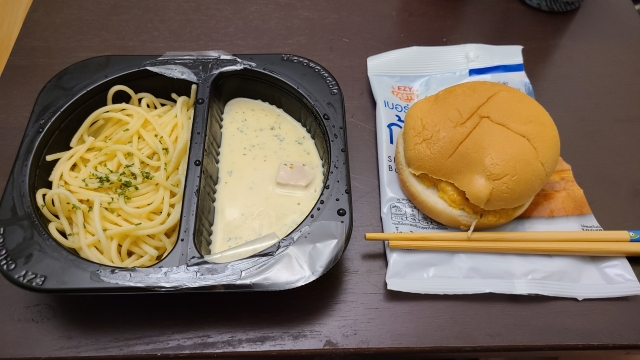
We might eat an unbalanced diet leaning toward carbohydrates (and not enough vegetables) such as eating toast and coffee for breakfast, and a burger or a cup of noodles for lunch. We might skip breakfast or lunch.
In addition, those who gain weight easily try to eat a simple light meal or skip a meal, since they ate a lot the day before. The idea of offsetting an over-intake of calories from yesterday, eating less today, is wrong.
That is to say, even if someone is said to be wealthy, with regards to food, there are many things in common with groups that live in poverty with a high rate of obesity. As Mr. Taubes says, what is important now is the “quality” of food rather than the “quantity.”
In an extreme argument, obesity with poverty can be explained by the same mechanism that people who are on a diet end up gaining more weight after they stop dieting, even though they reduced the caloric intake.
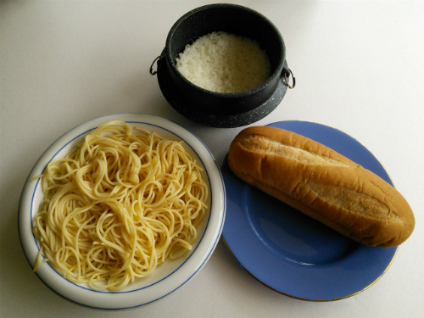
"Not all of us get fat when we eat carbohydrates, but for those of us who do get fat, the carbohydrates are to blame; the fewer carbohydrates we eat, the leaner we will be.
(*snip*)
These foods are also, almost invariably, the cheapest calories available. This is the conspicuous explanation for why the poorer we are, the fatter we're likely to be"
(Taubes. Why We Get Fat. Pages 134-5.)