
— Topics —
Intestinal Starvation
2022.11.11
Why Are Sumo Wrestlers So Fat?; Six Reasons They’ve Adapted to the Gut Starvation Mechanism
-
Contents
-
<Introduction>
- The same mechanism as people who rebound after dieting
- The six reasons that I believe it is a starvation mechanism
<The bottom line>
<Introduction>
Have you ever seen a sumo wrestler right in front of you? When I was working as a waiter at a hotel several years ago, there was a pep rally for sumo wrestlers, and I was able to see them up close.
Also, at the 2017 Osaka tournament in Japan, I observed the morning practice of a team and was allowed to sample their breakfast called "chanko."
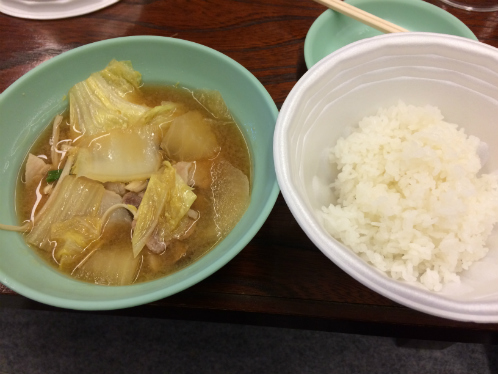
I had a sample of "chanko."
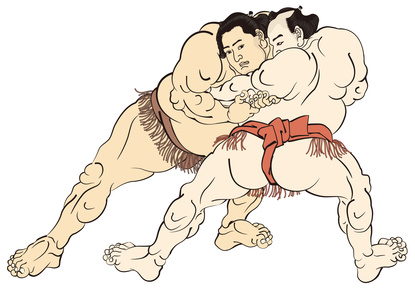
I got the impression that they are big-boned, with steel-like muscles, and a lot of body fat on top of that.
Their average body fat percentage is said to be around thirty percent or more, but there are some wrestlers in the twenty percent range, not that different from the average person. They are like a mass of muscles.
It is generally believed in Japan that wrestlers will gain weight because they eat a lot and sleep well including taking naps, but I can explain that they have successfully adopted the mechanism of intestinal starvation.
1. The same mechanism as people who rebound after dieting
In Japan, the image of sumo wrestlers in particular may lead to the image that "eating more makes you fat," but I would like to explain that this is the same mechanism as "those who end up rebounding after dieting and gain more weight than before" or "those who gradually gain weight by skipping breakfast or having a late dinner.”
First of all, I'm going to illustrate how both of them gain weight in the figure below.
■The concept of a person who gains more weight than before after dieting
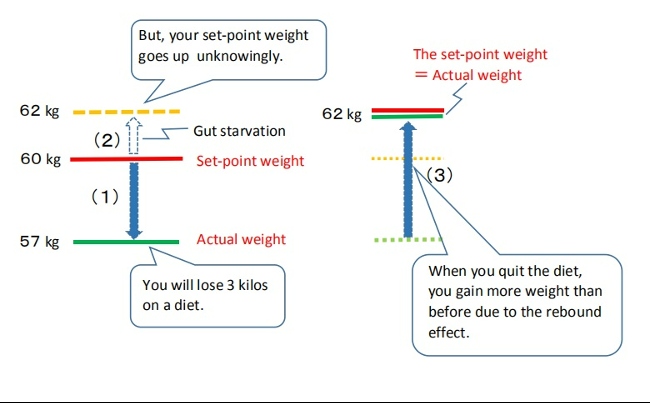
(1)→ (2)→ (3)
(1) You will lose a little weight through caloric restriction or exercising, etc.
(2) When you eat less (especially with an unbalanced diet), and you feel hungry for an extended period of time, you tend to starve your gut, and your set-point for body weight may go up without you realizing it.
(3) Later, when you start eating as you did before dieting, your weight will be higher than before.
■The concept of sumo wrestlers gaining weight
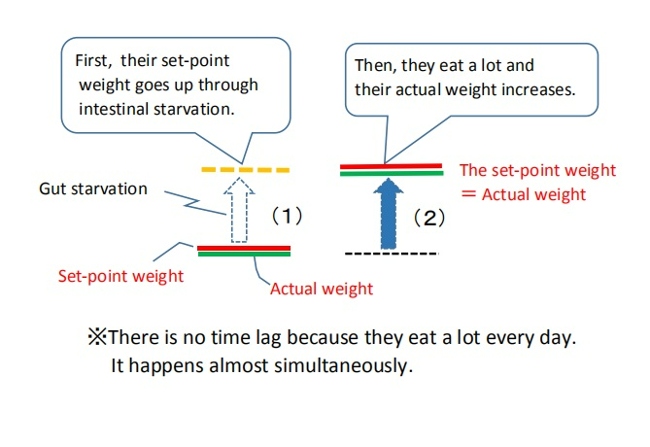
(1) → (2)
(1)First, by their traditional unique diet and hard practice, intestinal starvation can be induced. Their set-point weight goes up.
(2)Then, they eat a lot and thire actual weight increases (weight gain).
If you are a dieter, there is a time lag, but in the case of wrestlers, they eat good amounts of food every day, so it happens almost simultaneously.
Although they appear to eat a lot and are gaining weight, if intestinal starvation is not induced, their weight should not increase as much as expected.
2. The six reasons that I believe it is a starvation mechanism
When you see big eaters in a food eating competition, some may ask, "Why don't they get fat even though they eat so much?” But, from my theory, it is not at all surprising.
It’s not that they have a special "non-fattening constitution," but that anyone who eats like that from morning to night is less likely to gain weight (although I wonder why they can eat so much food at once).
Please understand that the way of eating of a sumo wrestler is a far cry from that of an eating competitor.
■An explanation of why the way of eating and exercising of sumo wrestlers can easily induce intestinal starvation. (1) - (6)
(1)A wrestler must weigh at least sixty-seven kilograms to be admitted. People who are overweight or muscular from the beginning tend to have stronger stomachs, and are thought to have a relatively high digestive rate. Such people are more likely to induce gut starvation than thin people.

(2) The basic diet for sumo wrestlers is called "chanko," which consists of easily digestible proteins such as chicken, fish, tofu, etc., and vegetables, slowly simmered in soy sauce. It is relatively low in fat and easy to digest.
(3) Sumo wrestlers generally eat a good amount of rice. By eating a lot of rice and soup, the stomach expands (the balloon effect), which leads to creating the dilution effect and push-out effect of food in the stomach.
[Related article]
(4)They traditionally eat two meals a day: the first meal is around eleven a.m. after morning practice, and dinner is around six p.m.
Since they practice from the early morning without breakfast, if dinner is finished at seven p.m., it means that they do not eat for about fifteen to sixteen hours until the next meal. It make sense to do intense morning training on an empty stomach to gain weight.
Of course, there are some wrestlers who try to eat snacks or supplements late at night in order to take in more calories, but my idea is that it makes easier to gain weight when they don't eat.
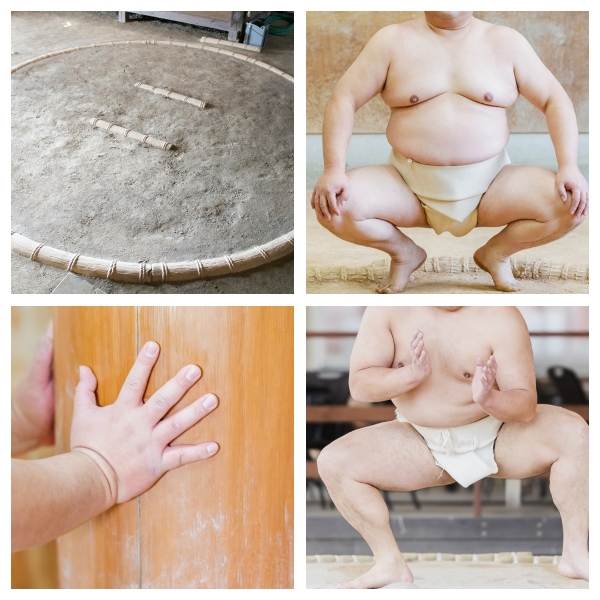
(5)Strength training is a force for gaining strength, and it ultimately works in the direction of weight gain. Eating two meals a day and exercising intensely will make sumo wrestlers gain more weight.
(6)Most of the food in the pot is eaten first by the top-ranked wrestlers. The lower-ranked wrestlers eat next, and lastly the new trainees.
The last people have to eat a big ball of rice and leftovers, which consists of only a little meat and most of the soup.
However, it is said that this kind of meal tends to make sumo wrestlers gain more weight.
The bottom line
(1)Sumo wrestlers are famous for being big and fat, but they do not gain weight because their daily caloric intake exceeds their daily caloric expenditure.
Their traditional diet and exercise makes sense in terms of weight gain in that it facilitates the creation of intestinal starvation.
(2)Intestinal starvation is more likely to be induced when a person who has a big body from the start eats relatively easily digestible foods with lots of carbohydrates (rice) and two meals a day.
(3)The mechanism by which wrestlers gain weight is the same as that of "people who diet and gain more weight than before due to the rebound effect.”
In the case of sumo wrestlers, since they eat a lot every day, this happens almost simultaneously, and they appear to eat a lot and gain weight.
2019.08.14
How Intestinal Starvation Can Lead to Weight Gain
-
Contents
-
- Hunger in Africa and a modern form of hunger
- Adaptive responses to intestinal starvation
- What happens when the body shifts to a higher body-weight set point?
(1) Once weight is gained, it becomes harder to lose
(2) Muscle mass also increases concurrently
(3) A reversal of cause and effect
Introduction
In this article, I will discuss the central theme of this blog: why a state I call “intestinal starvation” can lead to weight gain. This idea is based on my own personal experience, which I have organized and interpreted from a physiological perspective and presented here as a hypothesis.
When I entered university, my body weight had dropped into the 30-kilogram range. Even when I increased my food intake, my weight barely increased.
However, at one point, despite eating relatively little, my body weight suddenly increased by about five kilograms over the course of four to five days. This increase involved not only body fat but also muscle mass. Because I was underweight at the time, I strongly felt that this rapid weight gain was not a coincidence but rather the result of a distinct physiological change.
The idea presented in this article may seem counterintuitive to many readers. Nevertheless, for those who feel that weight gain cannot be fully explained by calorie balance alone, I hope this perspective offers a useful way of thinking.
1. Hunger in Africa and a modern form of hunger
The idea that humans have evolved to store fat more efficiently in preparation for temporary food shortages or famine is one that most researchers studying obesity have likely considered at least once. However, this simple hypothesis has historically been treated with caution—or even skepticism—within the scientific community[1].
Underlying this skepticism is the common observation that people with obesity tend to have a higher energy intake, whereas individuals experiencing severe famine, such as refugees in parts of Africa, are markedly underweight due to malnutrition. From this perspective , some may raise the following counterargument:
“If hunger leads to weight gain, then refugees in Africa should be overweight.”
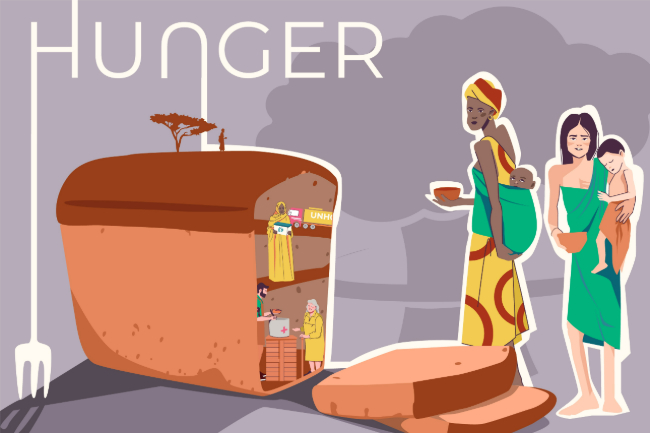
Image credit: macrovector / Freepik
However, this represents starvation—conditions in which people want to eat but cannot.
Under such extreme circumstances, the body does not first store fat; instead, muscle mass is lost and basic physiological functions begin to decline. Digestive and absorptive capacity itself may be impaired, leaving the body with little ability to store energy at all.
▽In contrast, the term “intestinal starvation,” as used here, refers to a physiological state in which the body perceives the absence of food when the contents of the gastrointestinal tract have been almost completely digested.
This condition can be regarded as a modern form of hunger that began to emerge primarily in developed countries around the 1970s and has since been spreading to many parts of the world.
In developed countries, diets have increasingly shifted toward the routine consumption of high-calorie, highly processed foods. In particular, when a diet is consistently dominated by rapidly digestible refined carbohydrates and (ultra-)processed foods, undigested matter does not remain in the intestinal tract for extended periods, which may create conditions that make intestinal starvation more likely to occur.
In fact, obesity has become a serious problem even among some low-income populations worldwide[2]. What is commonly observed in these settings is not simply excessive caloric intake or high sugar consumption, but rather a poorly balanced diet heavily reliant on inexpensive refined carbohydrates and highly processed foods.
2. Adaptive responses to intestinal starvation
I propose that one of the fundamental problems underlying obesity is that the body-weight set point is elevated. I further suggest that this upward shift in the set point may involve adaptive responses that are triggered when the body, in some form, perceives a state of starvation.
In this section, I will explain the concept of intestinal starvation—one form of perceived starvation—and the process by which it may lead to weight gain, using an analogy from plant biology. (Note that the discussion here is limited to intestinal starvation and does not attempt to explain other known or unknown mechanisms involved in weight gain.)
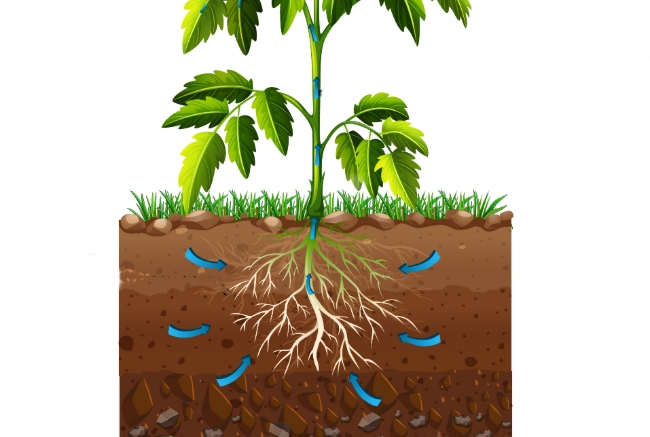
Image credit: brgfx / Freepik
When plants are placed in nutrient-poor environments, they extend their roots deeper into the soil in order to obtain more nutrients.
Similarly, I propose that in humans, when all ingested food is almost completely digested throughout the intestines—primarily the small intestine—and the body perceives a state in which “no food is present,” that is, when intestinal starvation occurs, a similar adaptive response may be triggered.
Having said that, it should be emphasized that this does not imply that the protrusions on the intestinal folds—the villi—physically elongate. What I am proposing is not a change in the intestinal structure or function itself, but rather more superficial changes that influence absorptive efficiency.
The interior of the small intestine has an extremely large absorptive surface area due to its folded structure, countless villi, and the microvilli that develop on the surface of each villus (Figure 1).
When fully spread out, the surface area of the small intestine is often said to be equivalent to that of a tennis court.
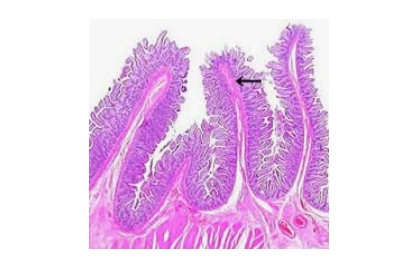
Fig. 1. Intestinal villi
My hypothesis is that when a signal indicating the absence of food is transmitted from the intestines—particularly the small intestine—to the central nervous system, the body is adjusted toward securing more nutrients.
In this process, as an adaptive response, microscopic particles (e.g. matter derived from food residue) adhering to the surface of the villi and microvilli may be sloughed off and are released into the intestinal contents (Figure 2).
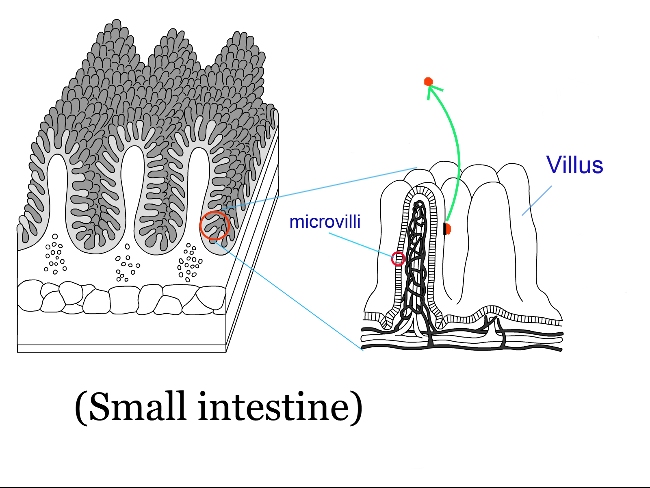
Fig. 2. Adaptive responses to intestinal starvation
As a result, the surface area available for contact with nutrients increases, and the effective absorptive efficiency may rise in a way that is not merely transient but can persist thereafter.
If such a change in absorptive efficiency occurs, regardless of whether the weight gain is 0.3 kg or 3 kg, the body may transition to a state of energy homeostasis at a higher body weight within a relatively short period of time. Unlike weight gain caused by overeating, this would imply an upward shift in the body-weight set point itself.
This hypothesis may help explain, at least in part, why individuals with obesity—despite having substantial energy stores in the form of body fat—can exhibit metabolic resistance to caloric restriction[3].
【Related articles】The Increasingly Important "Set-Point" Theory of Body Weight
Taken together, I propose that one fundamental difference between obese and lean individuals may lie in how efficiently ingested food is digested and absorbed.
In Japan, people with obesity sometimes describe themselves as “having a body that gains weight even from drinking water.” Of course, drinking water alone does not lead to weight gain. However, this expression may intuitively reflect a state in which nutrient absorption efficiency is elevated in individuals with obesity.
3. What happens when the body shifts to a higher body-weight set point?
(1) Once weight is gained, it becomes harder to lose
Weight gain reflecting an elevation of the body-weight set point means, from the perspective of energy homeostasis, that the balance point at which energy intake and expenditure are matched has shifted to a higher level. In other words, a more positive energy balance becomes easier to maintain, making weight loss increasingly difficult.
Even if body weight temporarily decreases through caloric restriction, it is highly likely to rebound once the original diet is resumed.
Moreover, repeated cycles of dietary restriction may raise concerns about a gradual increase in body weight over the long term. With extreme dietary restriction, prolonged periods of hunger are common, which may make intestinal starvation more likely to occur during this process and, in turn, further elevate the set point for body weight.
(2) Muscle mass also increases concurrently
In weight gain reflecting an upward shift in the body-weight set point, the efficiency of absorption of nutrients as a whole, including protein, may increase.
Consequently, not only body fat but also fat-free tissues—such as muscle and organs—may increase in parallel to a certain extent.
Indeed, many studies have reported that individuals with obesity tend to have greater fat-free mass (including muscle mass) than non-obese individuals[4,5,6,7].
Image credit: Pikisuperstar/ Freepik
However, these findings are primarily observational and do not demonstrate that the increase in body fat itself—or the associated increase in body weight load—directly stimulates muscle growth.
In this hypothesis, increases in muscle mass are not attributed to mechanical loading from higher body weight. Rather, they are considered to occur alongside increases in body fat to some extent as a secondary change associated with alterations in nutritional status and the metabolic environment.
(3) A reversal of cause and effect
An increase in overall nutrient uptake shifts the body toward a more positive energy balance, while simultaneously allowing the following phenomena to occur. Since digestive enzymes and many hormones are composed of proteins (amino acids), improvements in nutritional status may lead to changes in digestive function and appetite regulation mechanisms.
As a result, it is natural that individuals with larger body size or higher digestive capacity tend to consume larger amounts of food.
In other words, it is not that “eating more causes weight gain,” but rather that as the body becomes larger, its energy needs increase, which in turn leads to a tendency to eat more.
From this perspective, the relationship between cause and effect can be understood as being reversed.

Source: Freepik
In contrast, in an excessively lean state, reduced absorptive efficiency may limit the body’s ability to effectively utilize ingested nutrients, such as protein. As a result, decreases in the muscle mass that supports internal organs, together with reduced secretion of digestive enzymes, can further impair the capacity to digest and absorb food efficiently.
This creates a vicious cycle in which a negative energy balance is more easily maintained. Consequently, even when caloric intake is increased, body weight may not increase easily.
【Related articles】
After Gaining Weight, We Eat Too Much and Do Less Exercise
References
[1]Speakman JR, Elmquist JK. Obesity: an evolutionary context. Life Metab. 2022 Apr 29;1(1):10-24.
[2]Gary Taubes. Why We Get Fat. New York: Anchor Books. 2011. Pages 15-32.
[3]Richard E. Keesey, Matt D. Hirvonen, Body Weight Set-Points: Determination and Adjustment, The Journal of Nutrition, Volume 127, Issue 9, 1997, Pages 1875S-1883S, ISSN 0022-3166.
[4]Kyle UG et al. Fat-free and fat mass percentiles in 5225 healthy subjects aged 15 to 98 years. Nutrition. 2001 Jul-Aug;17(7-8):534-41.
[5]Heymsfield SB et al. Human body composition: advances in models and methods. Annu Rev Nutr. 1997;17:527-58.
[6] Janssen I et al. Skeletal muscle mass and distribution in 468 men and women aged 18-88 yr. J Appl Physiol (1985). 2000 Jul;89(1):81-8.
[7]Fornari R et al. Lean mass in obese adult subjects correlates with higher levels of vitamin D, insulin sensitivity and lower inflammation. J Endocrinol Invest. 2015 Mar;38(3):367-72.
2016.10.17
Three (+1) Factors That Accelerate “Intestinal Starvation”
-
Contents
-
- Unbalanced diets and irregular lifestyles make intestinal starvation more likely
- This last, but not least important factor, what is “+1”?
1. Unbalanced diets and irregular lifestyles make intestinal starvation more likely
This time, I would like to discuss three key factors-plus one additional factor-that may contribute to the occurrence of what I call “intestinal starvation."
【Related article】
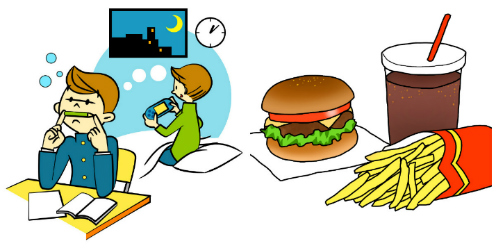
In Japan, the following are often cited to be associated with weight gain other than caloric intake:
(a) An unbalanced diet
• Fast food and junk food
• Excess intake of sugar and carbohydrates
• Lack of vegetables
(b)An irregular lifestyle
• Eating dinner late at night
• Skipping breakfast or lunch
• The frequency and type of snacking
In addition to these, many other factors may also be indirectly involved in the recent increase in obesity. However, it is not always clear how multiple factors combine to drive weight gain across the population as a whole.
I propose that one possible explanation involves a mechanism I refer to as “intestinal starvation.”
This condition is unlikely to occur due to a single factor alone, but is more likely to arise when the three factors (+1) described below overlap at the same time. For this reason, it may help explain how everyday eating habits and lifestyle patterns—when considered together—can lead to weight gain.
The three factors are as follows:
(1) What you eat
(2) How long you remain hungry until the next meal
(3) The strength of your digestive capacity (such as stomach acid and digestive enzymes)
(1) What you eat
Related terms: low fiber intake, unbalanced diet, refined carbohydrates, easily digestible protein, (ultra-)processed foods, fast food, junk food
A diet that is low in fiber and heavily biased toward refined carbohydrates (starch) and easily digestible protein (even in small amounts) is most likely to trigger intestinal starvation.
Many people try to reduce fat intake when dieting, but lowering the fat content of meals can actually speed up digestion, which may make intestinal starvation more likely rather than less.
In contrast, a well-balanced diet that includes vegetables, fruits, seaweed, legumes, dairy products, nuts, and minimally processed meat or fish is less likely to cause intestinal starvation.
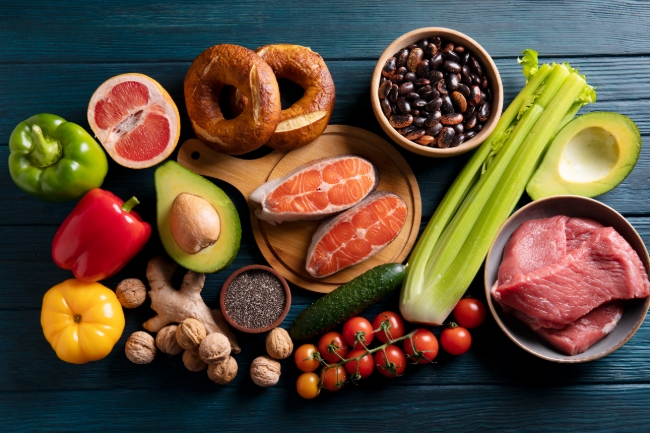
Author: brgfx. Source: Freepik
This idea is consistent with the view that consuming low-GI (glycemic index) foods and minimally processed foods help prevent obesity.
It doesn’t depend on the amount of calories you eat, but the quality and balance of food you eat. For example, eating a variety of foods and having a good balance vs a bad balance may lead to gaining weight, even if you eat small amounts.
Eating speed, how well you chew, and how much fluid you drink during meals may also influence this factor.
【Related article】
The Dilution Effect/ Pushing Out Effect of Carbohydrates
Eating Fat/Oil Can be a Deterrent to Gaining Weight (3 Perspectives Regarding Fat)
(2) Time between meals
Related terms: skipping breakfast or lunch, late dinners, two meals a day, frequency of snacking
Many people report gaining weight due to lifestyle changes such as skipping breakfast or eating dinner late at night. Behind this type of weight gain caused by irregular daily routines lies the issue of long gaps between meals—in other words, enduring hunger for extended periods of time.
Eating late at night does not always lead to weight gain by itself. If dinner has to be late, having a small snack in the early evening—such as nuts, milk, or a sandwich—can help prevent intestinal starvation by avoiding prolonged hunger.
(3) Individual digestive capacity
Related terms: high/low digestive capacity, digestive enzymes, hormones, appetite, gastroptosis (stomach prolapse)
Even when eating the same meals, people with strong stomachs and high digestive capacity may be more likely to experience intestinal starvation than those whose digestion is slower. In today’s society, where energy-dense foods are common, the ability to digest protein and fat may have a particularly strong influence on whether intestinal starvation occurs.
On the other hand, people with sensitive stomachs or conditions such as gastroptosis may find it difficult to fully digest all ingested food in the first place.
If genetic factors contribute to obesity, then the secretion of enzymes and hormones that affect digestive capacity and appetite, as well as the sensitivity of their receptors, is likely to play a major role. Of course, these factors can also change due to environmental and lifestyle influences.
2. This last, but not least important factor: what is “+1”?
In addition to the three factors, I added one more important element as “+1,” which can be explained by “continuity.”
What this means is that not only the meal you have just finished, but also your previous meal and the meals before that can influence whether intestinal starvation occurs or not.
For example, suppose you have a light lunch (such as a simple hamburger and coffee), and then you are unable to eat anything at all until 9 p.m.
If your breakfast was also light (for example, toast, a fried egg, and mashed potatoes), the likelihood of intestinal starvation occurring later in the day becomes higher.
On the other hand, if you eat a substantial breakfast that includes vegetables, whole grains, seaweed, beans, and dairy products, the intestinal starvation mechanism is less likely to be triggered (note: of course, individual differences still apply).
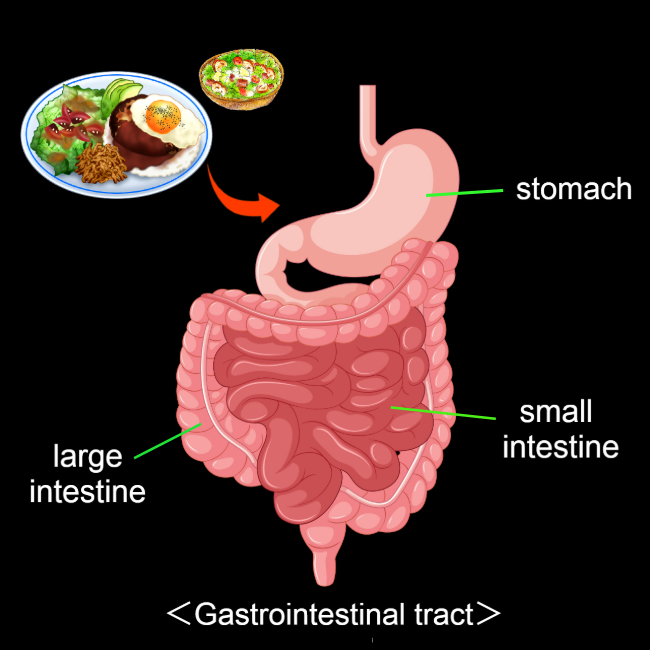
Author: brgfx. Source: Freepik
The reason is that the intestines are very long—about 7 to 8 meters in total (with the small intestine alone being about 6 meters)—and it takes, on average, more than ten hours for food to pass through the entire intestinal tract. Because intestinal starvation is judged across the whole intestine (or possibly only the small intestine), it is influenced not only by a single meal, but also by your previous meal and the meals before that.
This is also the flip side of why eating well-balanced meals three times a day is thought to help prevent obesity: it helps ensure that the intestines are continuously exposed to food of adequate quality, reducing the chance that the body interprets the situation as “starvation.”
2016.10.17
Defining “Intestinal Starvation”: Its Relevance to the Multifactorial Model of Obesity
From an evolutionary biology perspective, humans and many other animals are thought to have developed mechanisms to cope with intermittent food shortages over long periods of evolution. Because periods of abundant food were limited, the ability to store energy in the liver, skeletal muscles, and adipose tissue was likely favored by natural selection.
From this perspective, obesity can be understood not merely as a consequence of overeating, but as a state that arises as a result of adaptive physiological responses, in which the body attempts to store energy when it perceives a risk of starvation.
The concept of “intestinal starvation” adds a new perspective to the discussion of how our bodies perceive a lack of food, moving beyond the traditional focus on energy intake alone.
【Related articles】
Why Does the Body Perceive That It Is More Starved than in the Past?
1.The definition of intestinal starvation
In this blog, the term “intestinal starvation” is used to refer, hypothetically, to a physiological state in which the body perceives that all ingested food has been completely digested within the gastrointestinal tract (see Note 1). In this state, regardless of how much food was actually consumed, the absence of food-derived undigested matter in the intestinal tract is interpreted by the body as a signal that “no food is present.”
This state should be distinguished from severe energy deficit or true food shortage. Unlike those extreme conditions, intestinal starvation may arise under ordinary living circumstances in relatively affluent societies, particularly when diets are dominated by easily digestible foods such as refined carbohydrates, fast-digesting proteins, and various ultra-processed foods (see Note 2).
In this sense, it can be understood as a modern form of hunger: a perceived starvation—a signaling state—mediated by the gut–brain axis rather than by a lack of available food in the environment.
Note 1: It is unclear whether intestinal starvation is sensed throughout the entire gut or only in the small intestine, which is sometimes referred to as the "second brain."
Note 2: Because dietary fats generally require more time for digestion and gastric emptying, they may, in some individuals, help prevent the onset of intestinal starvation. However, there is substantial individual variability in the capacity to digest fats, and when fats are consumed together with refined carbohydrates, this suppressive effect may not be sufficiently achieved.
【Related articles】Eating Fat/Oil Can be a Deterrent to Gaining Weight
<Detailed explanation of “how much you eat”>
Even if you consume a large amount of food, a diet composed mostly of refined carbohydrates and other easily digestible items (including certain protein sources and small amounts of fat)—combined with long gaps between meals, such as eating only twice a day—can induce an intestinal starvation state or a condition very close to it.
When carbohydrates are consumed with water, they expand in the stomach (“balloon effect”), dilute the nutrient density of the meal (“dilution effect”), and then pass rapidly from the stomach into the intestine (“push-out effect”).
Because of these combined effects, the body may interpret all ingested food as being “fully digested,” even when a small amount of undigested matter technically remains in the intestinal tract.
【Related articles】
The Dilution Effect/ Pushing Out Effect of Carbohydrates
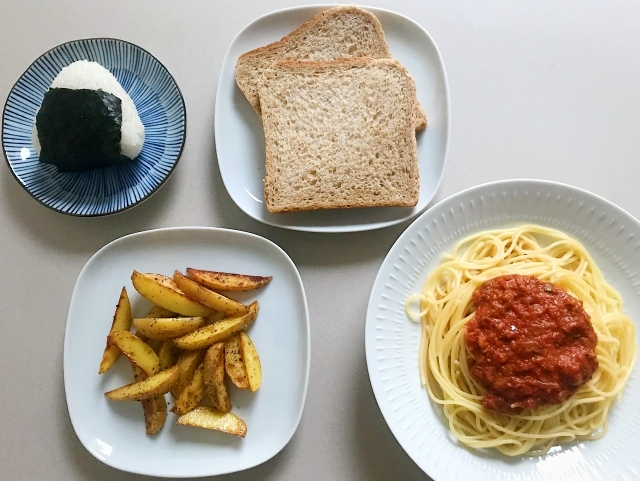
(Refined carbohydrates)
Even when overall food intake is small, a diet composed mainly of easily digestible foods such as refined carbohydrates and certain protein sources (e.g., ultra-processed foods such as simple burgers or sandwiches, or instant noodles) may still trigger intestinal starvation.
Due to recent dieting trends, many people try to keep breakfast or lunch light in an effort to lose weight, but this approach may end up being counterproductive in the long run.
In contrast, when you eat a balanced diet including fiber-rich vegetables, and minimally processed foods three times a day, some fraction of undigested matter remains in the intestinal tract continuously throughout the day, making it less likely for intestinal starvation to be induced.
2. Obesity’s multifactorial roots and intestinal starvation
Recent increases in obesity are often attributed to overeating and lack of physical activity.
However, even in environments with abundant food, some people maintain a slim body without dieting, while severe obesity is also observed even among low-income populations in developed countries and in Pacific Island nations with limited resources.
These observations suggest that obesity is a multifactorial condition that cannot be explained by a single factor[1,2]. Genetic factors, diet, physical activity, gut environment, and hormones all interact to influence body weight.

(Source: Freepik)
Since human genes are unlikely to change dramatically over just a few decades, changes in lifestyle and food environments since the 1970s are likely to have had a substantial impact on the recent global rise in obesity[3].
Strictly speaking, four factors (see Note 3) need to overlap for intestinal starvation to be triggered, which may explain why obesity is more likely to occur at the intersection of multiple factors, including genetic, environmental, and physiological factors.
Note3: The four factors are “what you eat,” duration of hunger, digestive ability, and continuity.
Three (+one) Factors to Accelerate “Intestinal Starvation”
(1) Genetic factors
Genetic traits related to intestinal starvation include the secretion capacity and receptor sensitivity of enzymes and hormones that regulate digestion and appetite. In particular, differences in genetic background—reflecting both population-level and individual variability—that enable more rapid digestion of proteins and fats may influence the occurrence of intestinal starvation.
Of course, these biological traits may also change as a result of acquired conditions, such as obesity or gastric reduction surgery performed for weight loss.
(2) Environmental factors
Since the 1970s, one of the most notable environmental changes, I believe, has not merely been the increase in energy-dense foods, but rather the rise in easily digestible foods resulting from industrialized food production. Examples include refined carbohydrates, certain protein sources, and ultra-processed foods.
In vegetables and grains, the less digestible parts have been removed (e.g. refined grains), and some are now mashed or strained (e.g. mashed potatoes and potage soups). Meat and fish are often minced or ground, making them easier to digest.
(Author: brgfx / Source: Freepik)
These foods are digested and absorbed more rapidly than traditional, minimally processed foods. As a result, the body can obtain energy more efficiently with less effort, which may also contribute to increased hunger and reduced satiety.
This trend is observed not only in developed countries but also in emerging economies, where the increased consumption of refined carbohydrates and ultra-processed foods has been linked to rising obesity rates.
【Related article】
The Rise in Obesity is Closely Linked to the Consumption of Ultra-Processed Foods
<Lifestyle>
Intestinal starvation is related not only to what people eat but also to "how they eat."
Since the 1970s, changes in lifestyle have been accompanied by dramatic shifts in eating habits. In Japan, for example, the traditional rice-based breakfast has gradually been replaced by a Western-style breakfast consisting of toast, coffee, and fried (or boiled) eggs, etc.
In addition, many people now tend to eat light breakfasts and lunches, while consuming the majority of their daily calories at dinner. Such eating patterns may promote intestinal starvation, because our intestines are about seven to eight meters long, and all ingested food may be completely digested while traveling through the intestinal tract.
(3) Physiological factors
Intestinal starvation represents an adaptive physiological response related to intestinal processing and hormonal secretion, and may prove that people who eat a balanced diet every day are likely to be less prone to weight gain.
Although intestinal starvation may not be directly associated with the gut microbiota, the types of foods consumed have a significant impact on the intestinal environment.
Individuals who eat a wide variety of foods in a well-balanced manner are less likely to induce intestinal starvation, which may indirectly suggest a relationship that those with a healthier gut microbiota are less susceptible to obesity.
<References>
[1]Flores-Dorantes MT, Díaz-López YE, Gutiérrez-Aguilar R. Environment and Gene Association With Obesity and Their Impact on Neurodegenerative and Neurodevelopmental Diseases. Front Neurosci. 2020 Aug 28;14:863.
[2]Khan MJ et al. Role of Gut Microbiota in the Aetiology of Obesity: Proposed Mechanisms and Review of the Literature. J Obes. 2016;2016:7353642.
[3] Jason Fung. The Obesity Code. Greystone Books, 2016, Page 21-2.